

DIGITAIL™ TAG
Go digital with the world’s smallest RFID animal identification tag
Digitail™ Tag
Truly the world’s smallest, implantable RFID identification tag specifically designed for rodents and placed in the tail creating an effective read distance.
- Introduction
- Features
- How it works
- Comparisons
- Customer feedback
Digitail was developed specifically for laboratory rodents, including very young animals. Designed as the world’s smallest RFID tag, it delivers a reliable read distance of up to 5 cm and is easy to implant, even for novice technicians.
Unlike traditional glass transponders which were originally designed for pets and later adapted for laboratory use. Digitail doesn’t require large-gauge needles or deep implantation. It’s designed to remain securely in place without migration or side effects, providing a safer, more practical alternative that supports animal welfare and efficient laboratory workflows.
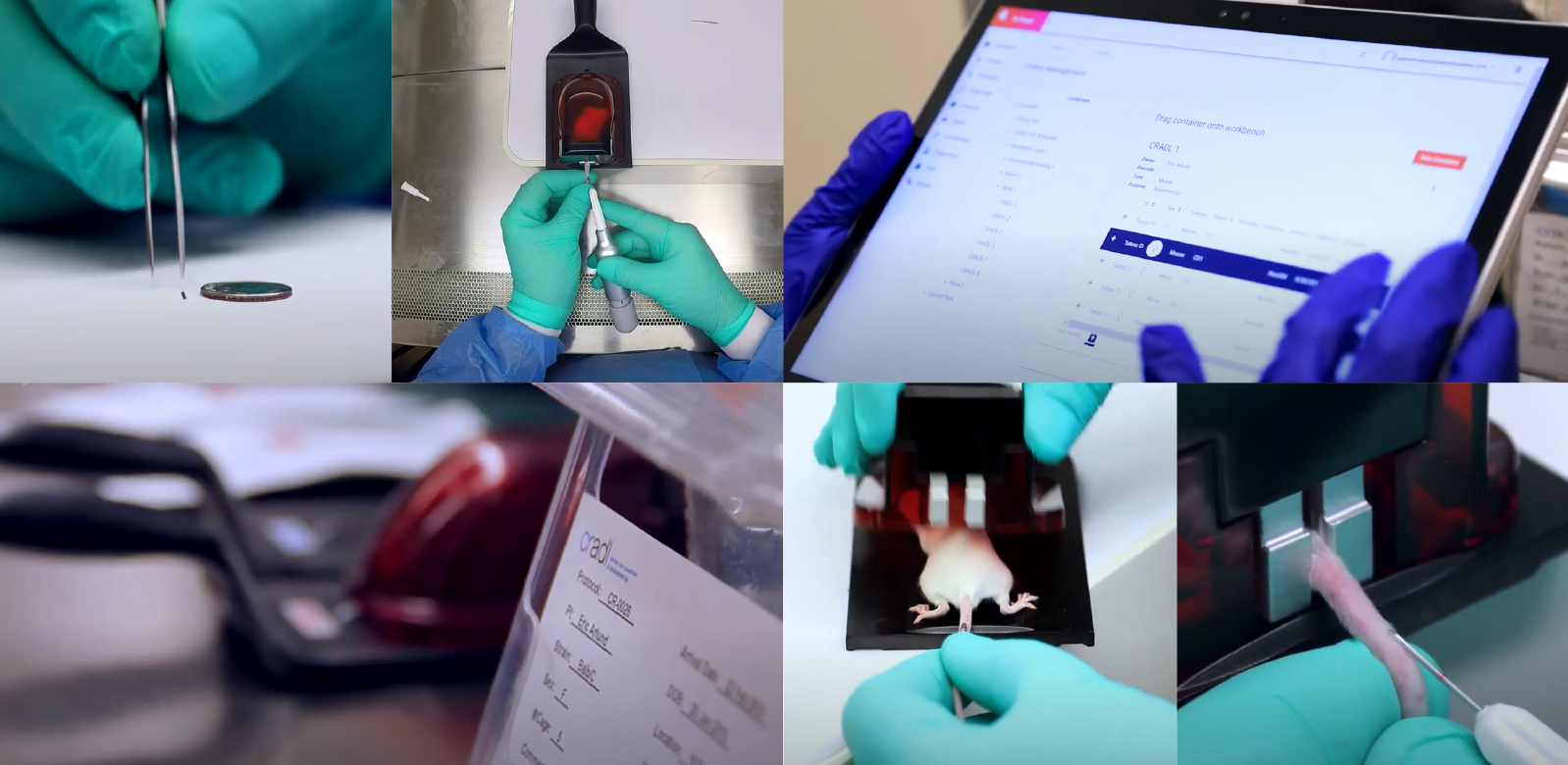
The Digitail Tag is only 6mm long, 0.5mm wide and only 0.25mm high. At only 0.75mm in volume (16 times less than glass transponders) and requiring only a 21 gauge needle to implant, it is the least invasive of any tag in the world. The tag comes with a pre-existing, permanent 24 character, unique ID and can be read by any compatible UHF reader, as it is ISO 18000-6c compliant. Every tag is coated in Parylene C so it is completely bio-inert and is ideal for use with any strain of mouse or rat, including immune-deficient or compromised strains.
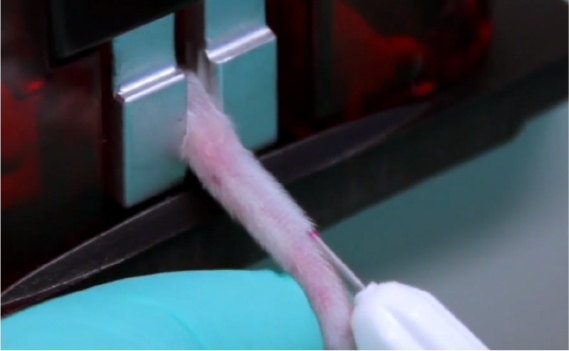
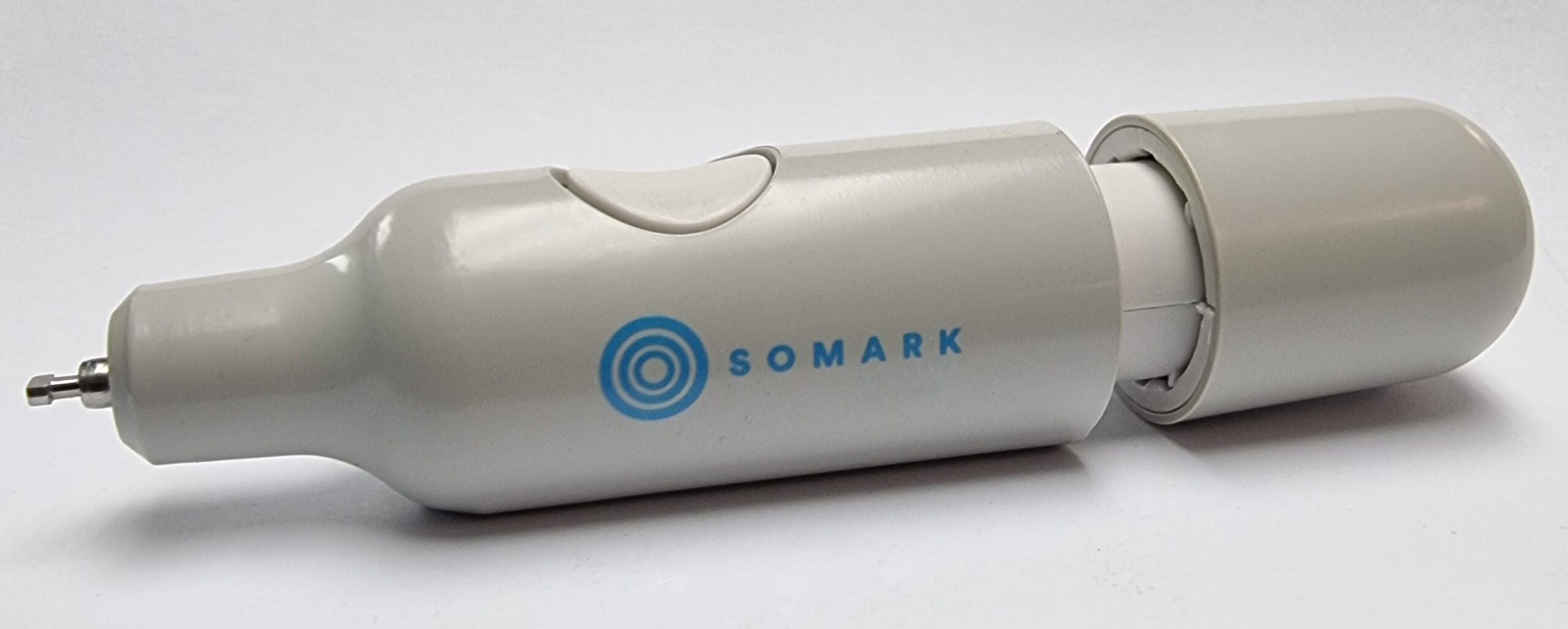
Simply attach one of the pre-loaded, sterilized needle cartridges (which contain the tag in the needle) to the re-usable injector, remove the protective needle guard and then insert the needle into the tail tissue about 10mm from the base of the tail. Once the needle is inserted up to the 9mm mark on the needle, press the injector button and the needle will retract, leaving the tag in place and ready to read immediately. The small gauge needle and injection location produce a self sealing entry point which means no wound closure is necessary. To see this process in action, watch our Digitail video.
Digitail Tags are unique. They are smaller in dimension and volume than any other alternative RFID tag. They are designed to be injected into the tail rather than the body, which avoids the need to shave fur before implantation and makes the implant method much easier to learn and apply consistently. The implant location also means you can be sure where the tag is and it will never migrate. Refined Injection techniques means no wound closure is necessary to prevent tag loss too. No anesthesia is required before implanting a Digitail Tag. Digitail has numerous IACUC / Ethics approvals as an ID method based on a simple subcutaneous injection, less invasive than Intraperitoneal injection of other transponders. Our tags do not contain any ferrite core or ferrous content – so they are completely compatible with any MRI or other imaging system. Also, as the tag is in the tail, you can be confident that the tag will not interfere with any cell implant sites or any other area of research interest in the head or torso.
Digitail tags are used by customers around the world in many strains of mouse and rat. Customers report they are easy to implant, easy to read and reliable. No health or welfare issues arise from the use of these tags, even with immune-deficient or compromised strains. Customers love the 100% accuracy and immediate capture of the animal ID into their systems, ensuring no compromise to the quality of research data and maximum efficiency of their staff.
Digitail was developed specifically for laboratory rodents, including very young animals. Designed as the world’s smallest RFID tag, it delivers a reliable read distance of up to 5 cm and is easy to implant, even for novice technicians.
Unlike traditional glass transponders which were originally designed for pets and later adapted for laboratory use. Digitail doesn’t require large-gauge needles or deep implantation. It’s designed to remain securely in place without migration or side effects, providing a safer, more practical alternative that supports animal welfare and efficient laboratory workflows.
The Digitail Tag is only 6mm long, 0.5mm wide and only 0.25mm high. At only 0.75mm in volume (16 times less than glass transponders) and requiring only a 21 gauge needle to implant, it is the least invasive of any tag in the world. The tag comes with a pre-existing, permanent 24 character, unique ID and can be read by any compatible UHF reader, as it is ISO 18000-6c compliant. Every tag is coated in Parylene C so it is completely bio-inert and is ideal for use with any strain of mouse or rat, including immune-deficient or compromised strains.
Simply attach one of the pre-loaded, sterilized needle cartridges (which contain the tag in the needle) to the re-usable injector, remove the protective needle guard and then insert the needle into the tail tissue about 10mm from the base of the tail. Once the needle is inserted up to the 9mm mark on the needle, press the injector button and the needle will retract, leaving the tag in place and ready to read immediately. The small gauge needle and injection location produce a self sealing entry point which means no wound closure is necessary. To see this process in action, watch our Digitail video.
Digitail Tags are unique. They are smaller in dimension and volume than any other alternative RFID tag. They are designed to be injected into the tail rather than the body, which avoids the need to shave fur before implantation and makes the implant method much easier to learn and apply consistently. The implant location also means you can be sure where the tag is and it will never migrate. Refined Injection techniques means no wound closure is necessary to prevent tag loss too. No anesthesia is required before implanting a Digitail Tag. Digitail has numerous IACUC / Ethics approvals as an ID method based on a simple subcutaneous injection, less invasive than Intraperitoneal injection of other transponders. Our tags do not contain any ferrite core or ferrous content – so they are completely compatible with any MRI or other imaging system. Also, as the tag is in the tail, you can be confident that the tag will not interfere with any cell implant sites or any other area of research interest in the head or torso.
Digitail tags are used by customers around the world in many strains of mouse and rat. Customers report they are easy to implant, easy to read and reliable. No health or welfare issues arise from the use of these tags, even with immune-deficient or compromised strains. Customers love the 100% accuracy and immediate capture of the animal ID into their systems, ensuring no compromise to the quality of research data and maximum efficiency of their staff.
Digitail Products
Find out more about Digitail™ Tag



Digitail™ Tag questions answered…
No. Even when implanted in 14 day mouse pup tails, the tag is so thin and small, it does not interfere with the tail vein (or tail vein injections). The tag should be implanted in the top sectors of the tail above in the veins and below the dorsal artery, on either left or right hand side of the tail.
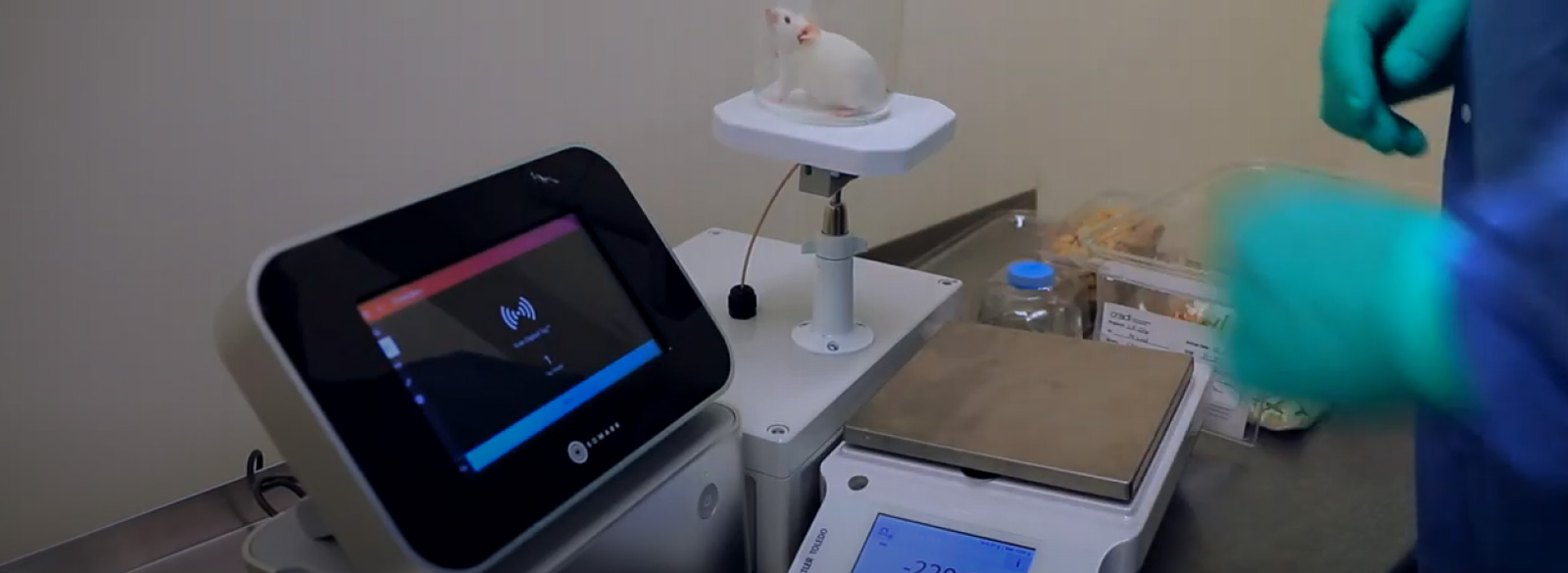
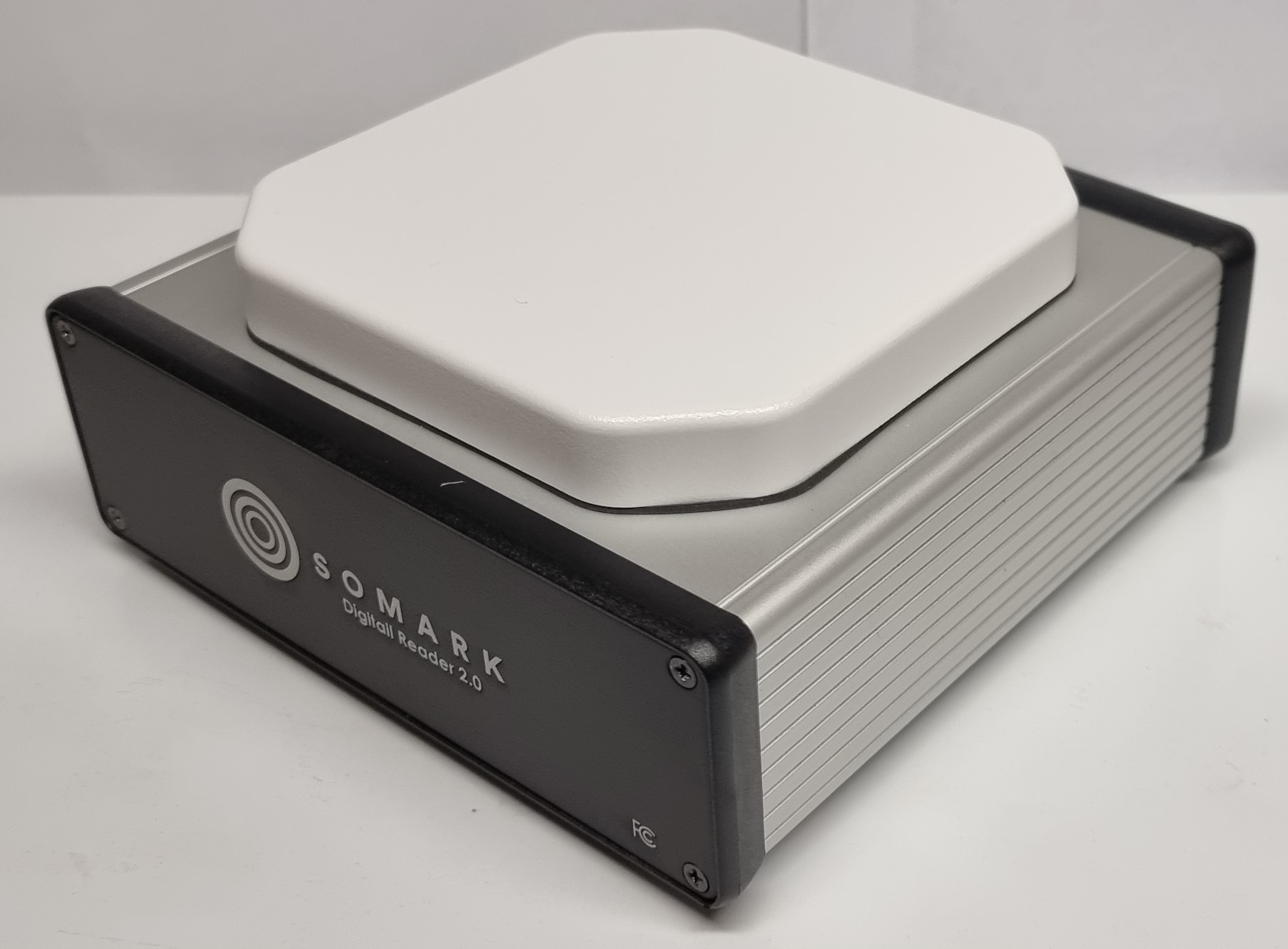
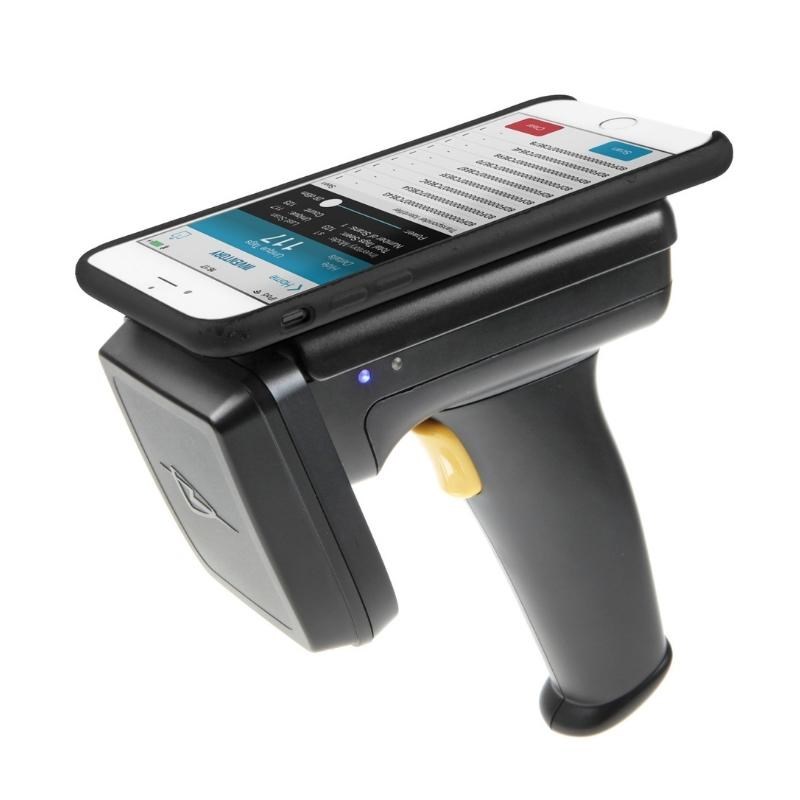
It depends. The Digitail tag is the only Ultra High Frequency (UHF) tag designed to be implanted in lab animals. It requires a UHF (866-928Mhz) reader to read the tag. Existing Low Frequency (125-134Khz) or High Frequency (13.56Mhz) readers cannot read our tags. UHF readers are commonly used for digital cages cards (such as those marketed by Allentown) and these are compatible with the Digitail tag, as are readers used for other RFID labels.
Yes. We have not found any lab system, whether it is a colony system or research application (including Excel spreadsheets), that we cannot automatically transfer the tag ID into.
Unlock Digital Mouse RFID Tagging
Somark offers a unique solution to help preclinical researchers enter a new era of digital transformation. The traditional mouse model is catapulted to new heights through our digital mouse RFID solution, which seamlessly integrates tag data with your laboratory systems.
Through the LinkTo application, you can complete your digital and automated RFID workflows. Available to download from the Somark website, we chose this system because it is designed to integrate seamlessly with any existing laboratory information systems.
Unlock the capabilities of digital mouse RFID and enable efficient animal tracking and data management in a few simple steps: