


In the News
Online Lab Training: How Digitalisation Is Changing Laboratory Training
Digitalisation is now well established across many industries, and research laboratories are no exception. Modern laboratory systems and software continue to advance, enabling greater digital representation, data accuracy and efficiency across lab operations.
Laboratory training is one area where digital, remote and online solutions have taken time to be fully adopted. While hands-on, practical laboratory experience remains invaluable within research institutes and other lab environments, online laboratory training now plays an increasingly important role as the sector embraces wider digital transformation.
Ongoing technological advancements continue to shape laboratory practices and workflows. As laboratories adopt more digital systems, the need for continued professional development (CPD) and recognised continuing education units (CEUs) has become increasingly important to maintain compliance, competence and best practice.
Laboratory technicians and managers are expected to demonstrate ongoing engagement with developments in medical, scientific and healthcare fields. This includes understanding innovations that directly impact their laboratories, as well as staying informed on wider industry trends through structured online laboratory training and professional education.
Development for Preclinical Laboratory Professionals
Continuing education programmes are essential for preclinical laboratory professionals looking to develop, upskill and progress throughout their careers. Continuing education units (CEUs) not only support long-term career progression, but also ensure training reflects the latest policies, procedures and laboratory software used beyond a single facility.
Preclinical CEU credits are available across a wide range of specialist topics, from new assay techniques and quality control processes to emerging laboratory platforms, digital technologies and laboratory information management systems (LIMS).
The value of ongoing laboratory training and continued professional learning is significant. Continuing education units (CEUs) and continued professional development (CPD) help laboratory professionals build deeper understanding of:
- Evolving laboratory technologies and digital systems
- Regulatory requirements and quality standards
- Best practice in preclinical research environments
- Industry trends impacting laboratory operations

Preparing Preclinical Laboratory Professionals for Future Innovation
Medicinal, pathology and wider preclinical laboratory activities continue to evolve as new technologies and innovations emerge. By developing an early understanding of these research and development (R&D) advances, laboratory professionals can gain valuable insight into the workflows and practices of R&D, clinical and manufacturing laboratories, while continuing to operate within a preclinical setting.
Training can be delivered through a variety of flexible formats, including formal offsite courses, remote webinars and online learning programmes. The structured crediting system allows laboratory professionals to evidence their learning, providing a clear record of ongoing development and commitment to the medical and healthcare sector beyond day-to-day responsibilities. This supports career progression, enhances translational skills and opens up wider professional opportunities.
CEU and CPD through Online Training
Online training has become a vital route for laboratory professionals looking to gain continuing education units (CEUs) and continued professional development (CPD) without disrupting demanding workloads. Designed to fit seamlessly around busy laboratory schedules, online laboratory training enables professionals to access high-quality, relevant education anytime and anywhere.
As laboratory environments continue to evolve, structured online training programmes play a key role in helping professionals remain compliant, build technical expertise and stay aligned with changing laboratory practices, emerging technologies and regulatory requirements. Importantly, online CEU and CPD courses also provide tangible evidence of ongoing learning, supporting career progression, professional accreditation and long-term development across preclinical, clinical and research settings.
How Are CEU and CPD Credits Earned?
CEU and CPD credits are accumulated through participation in a wide range of educational activities, many of which are now delivered online. Common examples include:
- Virtual entry-level laboratory training is available from providers, such as CDC, as well as universities including our client, Harvard Medical School.
- Publications, reports, presentations and other writing item activities from research communities, industry associations and organisations, including the American Association for Laboratory Animal Science.
- Attending conferences, workshops, webinars and seminars (online and virtual attendance is eligible). Many event organisers will already detail whether CEU credits are available for attending their workshops or events.

Event organisers and training providers will typically outline whether CEU credits are available, making it easier than ever for laboratory professionals to plan and evidence their development.
Gaining CEU Credits with Somark
Somark is no exception. Our latest Labstamp training quiz has been developed to support laboratory professionals looking to obtain CEU credits quickly and efficiently.
- Worth 0.5 CEU credits
- Accessible at any time, from any location
- Complete in as little as 10 minutes
By watching the Labstamp training video and reviewing the Labstamp SOP, laboratory professionals can complete the short quiz and gain continuing education credits with minimal disruption to their day-to-day responsibilities.
Online training continues to redefine how CEU and CPD credits are earned, offering laboratory professionals a flexible, accessible and future-ready approach to career development.
Online training for the Somark product range
We have expanded the delivery of our training resources to account for online and remote accessibility. Our products are here to shape laboratory processes, improve data management and accuracy as well as assist with compliance with respective regulatory bodies across the globe. Online training and resources are a massive factor in ensuring that your Labstamp of Digitail systems achieve these goals.
By completing the Labstamp training quiz for example, you not only gain further insight into one of our market-leading products, but you can use it to better understand how Labstamp and other innovative ID methods can affect preclinical workflows.
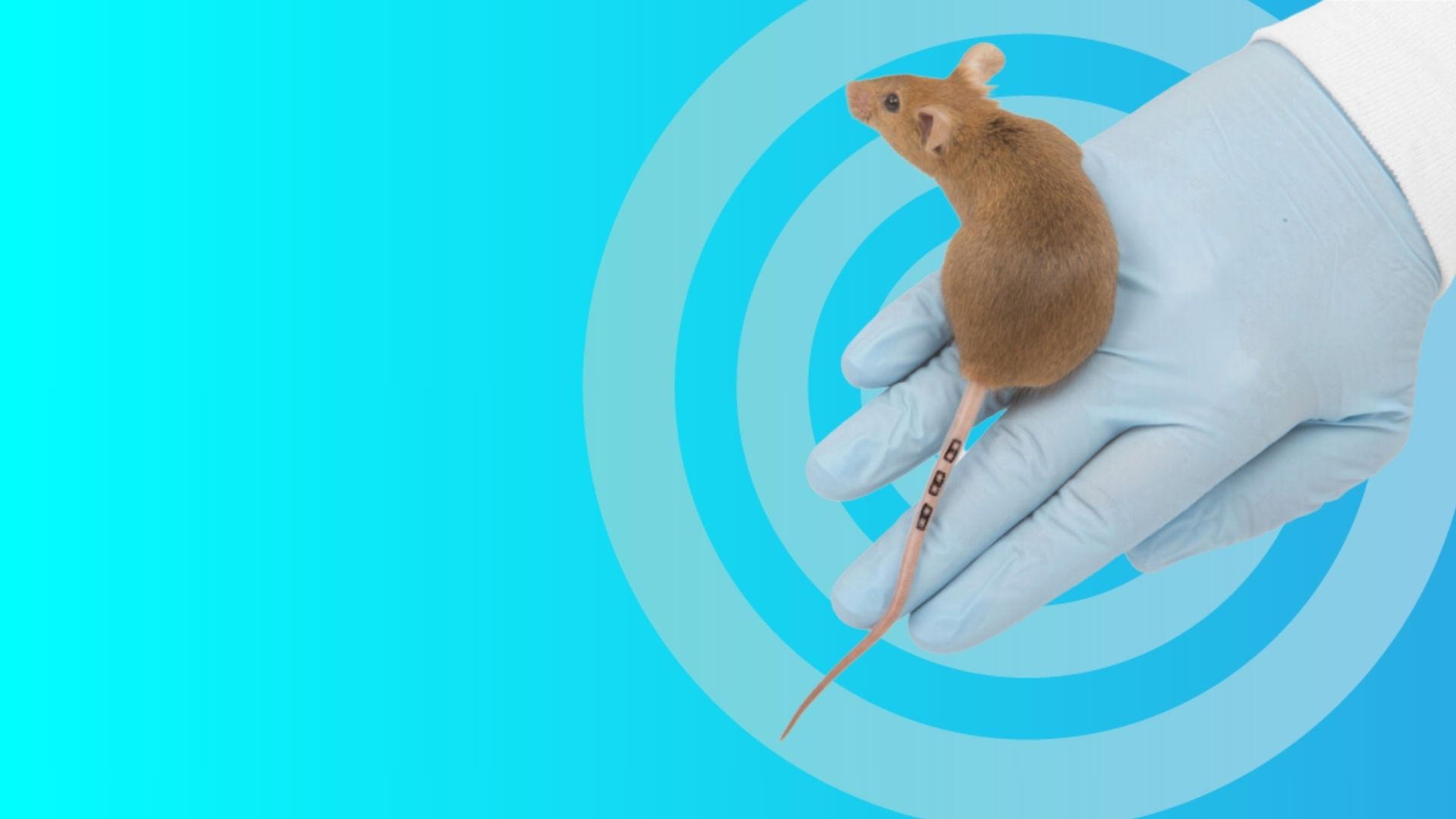
Since Lapstamp is a digital tail tattooing system which automates reading data and streamlines the ID process, gaining a certificate which outlines your knowledge and understanding of Labstamp allows you to highlight your awareness of next-generation ID methods.
Labstamp is of vital use in preclinical research and laboratories across the world. The training quiz offers insights into how these facilities are benefitting from tail tattooing in general; primarily through three core advantages.
Three R improvements and animal welfare compliance
Time efficiency, resource flexibility and laboratory process improvements
Data accuracy, readability, traceability and integrity
Take our Labstamp Training Quiz
By showcasing comprehension of the importance of animal welfare, data accuracy and time efficiency through CEU credits, you will also be well equipped to adapt what you have learnt in the training quiz and apply it to wider commercial and regulatory principles of research laboratories.
Complete the Labstamp training Quiz and earn CEU credits all from the comfort of your lab or home. We are Somark, helping all to deliver better research.