

In the News
Decoding Tag Applications: Glass Transponder RFID tags vs Digitail
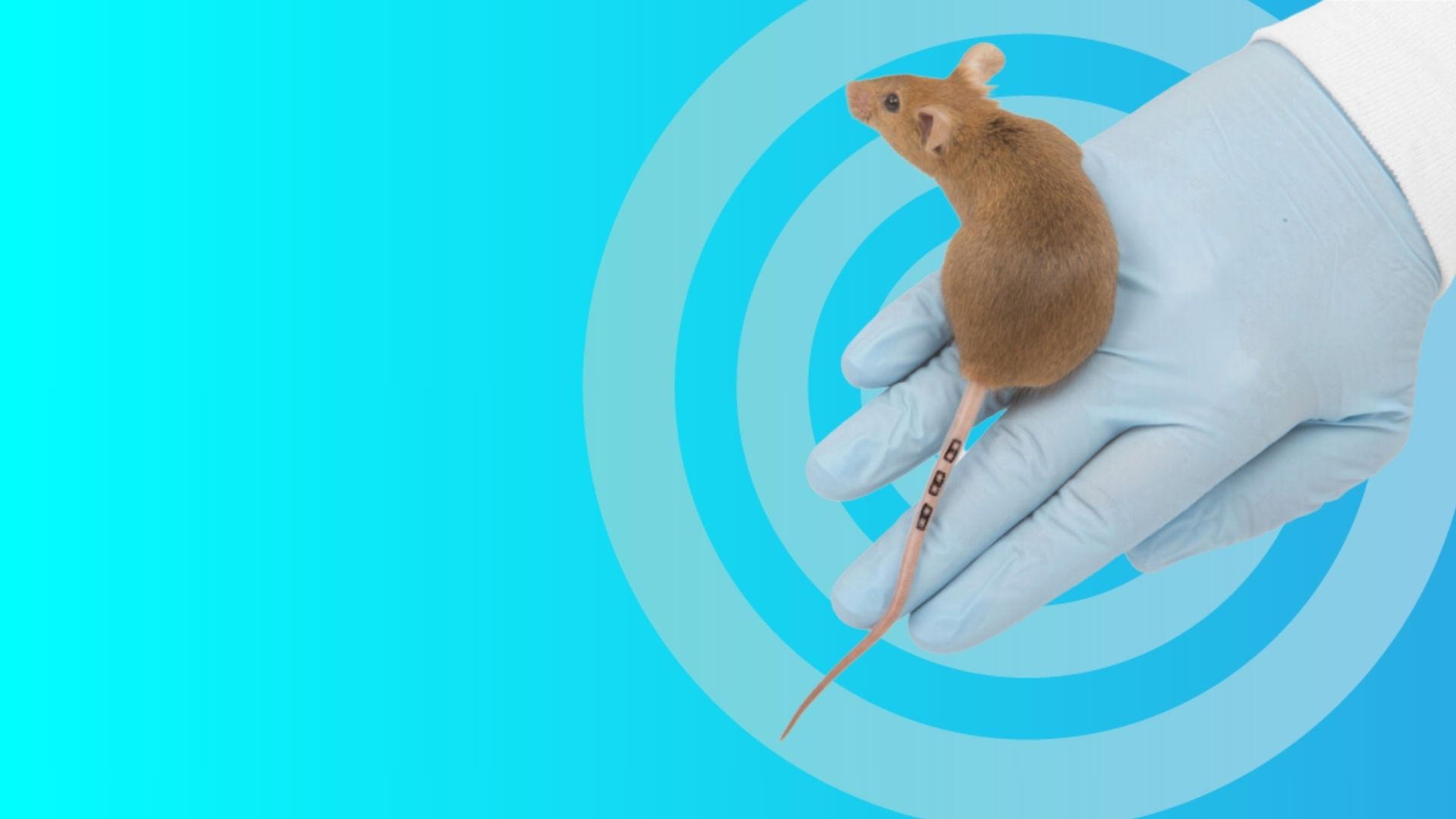
RFID, or radio frequency identification, can greatly simplify mouse management and identification in preclinical research environments. Its benefits over traditional methods are clear, offering precise tracking, reduced handling stress, and streamlined data capture. However, choosing the right RFID system, such as glass transponder RFID tags, requires careful consideration to ensure optimal implementation and efficiency.
Preclinical researchers often rely on RFID tagging to comply with animal welfare regulations in Europe while also improving the accuracy and speed of data collection. Certain factors related to RFID tag application can make some products, like glass transponders or Digitail systems, more suitable than others for specific research needs.
Whether you’re currently using RFID tags or considering them as a new identification method, it’s important to evaluate how mouse-by-mouse applications may affect workflow, technician time, and overall research efficiency. Choosing the right tag system can accelerate benefits and reduce unnecessary handling or resource usage.
In this blog, we compare the application of our Digitail RFID tag system with other RFID products, including glass transponder tags. Our aim is to provide researchers with a clear understanding of how different RFID solutions can impact application efficiency, technician workload, and animal welfare, helping you make an informed choice for your preclinical studies.
The Benefits of RFID Tags in Mouse Identification:
In a laboratory setting, RFID tags, including glass transponder RFID tags, offer clear advantages that make them a preferred method for mouse management in preclinical research. Key benefits include:
Non-intrusive identification:
RFID tags allow for non-contact, non-intrusive identification of mice. Researchers can monitor behaviour and track individual animals without physically handling them, minimising stress and supporting better animal welfare.
Automated tracking:
RFID systems streamline data collection and reduce identification errors. By automating detection and recording, researchers can efficiently track mice while saving time and resources.

Real-time data access:
Glass transponder RFID tags can store and transmit more data than many other identification methods. This enables researchers to access real-time information on each mouse’s condition and behaviour without the need for direct handling, supporting both efficiency and animal welfare.
High throughput:
RFID systems help minimise human error, making it easier to manage large populations of mice. Researchers can collect accurate, consistent data from multiple animals simultaneously, boosting efficiency and improving research outcomes.
LIMS integration:
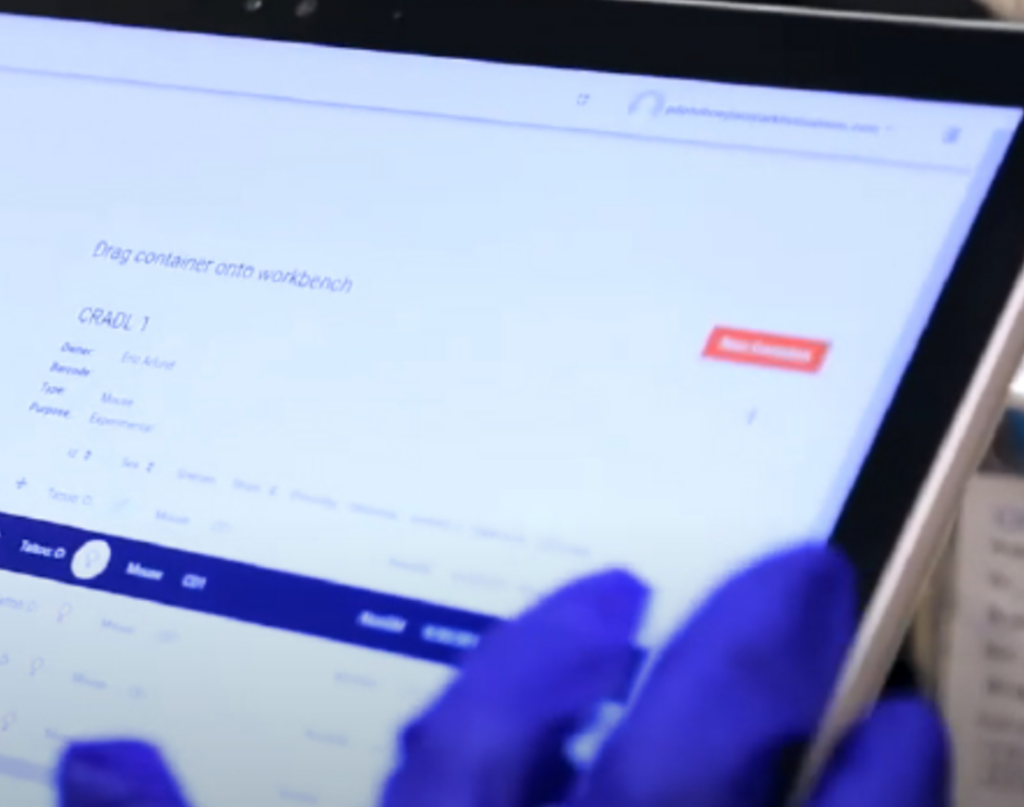
A major advantage of RFID tagging is its compatibility with Laboratory Information Management Systems (LIMS). Glass transponder RFID tags enable seamless data exchange and synchronization, enhancing overall laboratory workflow and ensuring reliable, centralised data management.
Understanding the Different RFID Tags on the Market
Once you’ve identified the benefits most relevant to your facility, the next step is exploring the RFID products available, including glass transponder RFID tags.
An important consideration is ethical compliance. Researchers should ensure that the RFID tags they choose align with their facility’s ethical guidelines, as well as regulatory requirements and the principles of the Three Rs (Replacement, Reduction, Refinement).
Practical considerations for selecting an RFID system include:
- Tag type
- Frequency
- Read range
- Data storage capacity
- Integration outlets
In addition to the considerations above, two critical factors significantly impact daily mouse identification: the application method of the RFID tag and the size and form of the tag, particularly when evaluating options such as glass transponder RFID tags.
Does the Size of the RFID Tag Matter?
Yes! The size of an RFID tag is a key consideration, as it directly affects both the application method and adherence to ethical guidelines. Modern glass transponder RFID tags are designed to be minimally invasive, prioritising animal welfare and reducing stress during implantation.
Smaller tags simplify the application process, making handling easier for researchers and ensuring a less intrusive procedure for the animals.
A typical RFID tag on the market can be 1.4mm in diameter to 8.5mm in length.
Many RFID tags take the form of glass transponders with a cylindrical shape. These tags, commonly implanted in lab animals, consist of an electric circuitry and a solenoid antenna encased within a glass capsule.
The capsule design makes them both wider and thicker than necessary for small laboratory animals. While originally designed for domesticated pets rather than rodents, even the shortest glass transponder typically requires an 18-gauge needle for implantation, with some providers recommending a 15.5-gauge needle or larger.
These size and implantation considerations are particularly important for smaller animals like mice. Although glass transponder RFID tags have evolved to improve biocompatibility, reduce fragility, and address read-range limitations, their dimensions can still be considered excessively invasive. This increases the risk of infection, migration, or displacement, making careful evaluation essential for preclinical research applications.
Application processes associated with RFID glass tags
At Somark Innovations, we work closely with researchers worldwide to optimise mouse identification methods and internal laboratory ID processes. In doing so, we often review previous identification techniques to understand what works best in practice.
Glass transponder RFID tags can be applied in various ways, often depending on the specific product. Typical application processes may include the following steps:
Step 1:
Anaesthetizing the lab animal
Step 2:
Preparing the animal ensuring it is shaved
Step 3:
Injecting the animal with a 14 gauge – 18 gauge needle
Step 4:
Closing the injection hole using wound glue
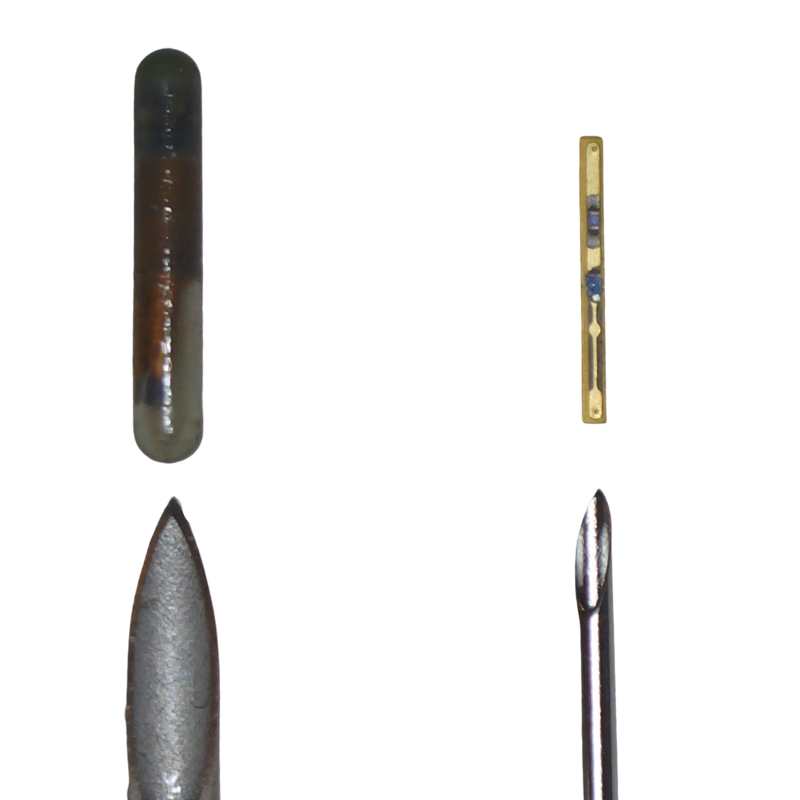
Typical RFID glass transponder needle VS
the size of the Digitail needle.
Although this may seem like a simple process, it is a lengthy one when multiplied by the number of mice used on a study or in a lab. Many customers of ours have also provided insight into the additional steps which can be taken during the application, this can be anything from clipping an animal’s back toenails to ensure scratches to the application area don’t affect the wound, to assessing an RFID glass tag’s sensitivity to extreme temperatures prior to implementation.
Digitail is Transforming the Application Process of RFID Tags
Digitail RFID tags are smaller in all dimensions than any other RFID tag on the market. Designed specifically for laboratory rodent use, they are shorter, narrower, and lower in height than traditional glass transponder RFID tags, making them minimally invasive and easier to apply.
The Digitail development team has addressed common challenges such as read distance requirements, tag migration, risks associated with ferrous content, and optimal implantation locations. As a result, Digitail RFID tags can be applied quickly and safely, even by novice technicians, improving efficiency while maintaining high standards of animal welfare.
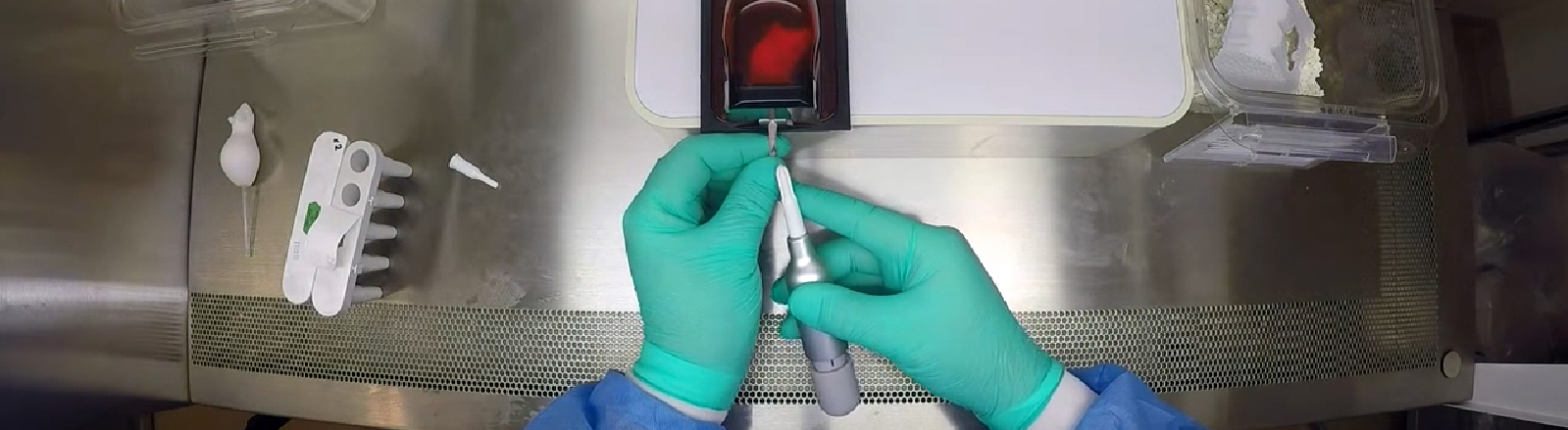
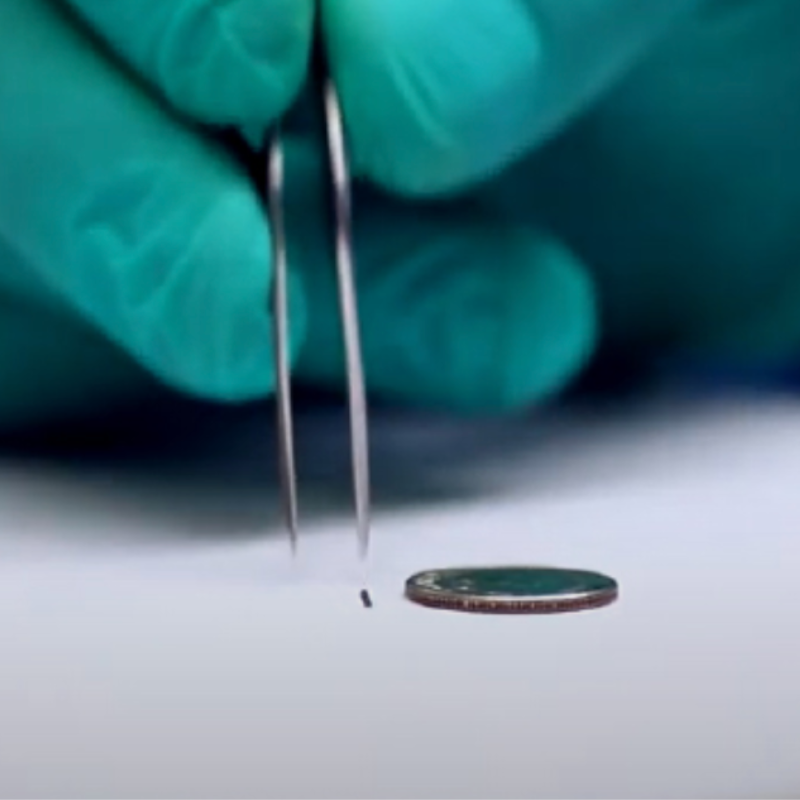
Digitail RFID tags are applied via the tail using a 21-gauge needle, with a compact size of just 6 mm long, 0.5 mm wide, and 0.25 mm high. This minimally invasive design eliminates several steps required in traditional glass transponder RFID tag applications, simplifying the process for researchers and technicians alike.
Unlock the easiest RFID tag application for laboratory rodents by implementing IACUC-approved Digitail RFID tags in your research facility.