


In the News
Delving into reduced severity: Somark brings innovative identification to Athens
This year, at The Federation of European Laboratory Animal Science Associations, or FELASA, in Athens, Somark Innovations is presenting pioneering solutions under the banner “reduced severity animal identification.” With welfare and ethical research at the heart of their mission, Somark is showcasing advanced methods designed to reduce stress, improve animal welfare and deliver more reliable research data
The Roots of Research and Identification
FELASA offers a specialised session on the roots of research, providing a historical, ethical, and philosophical outlook on the progress of research operations and the foundations of animal models.
Somark contributes a back-to-basics summary of rodent involvement in preclinical research, highlighting the evolution of identification methods.
Mouse Models and Their History
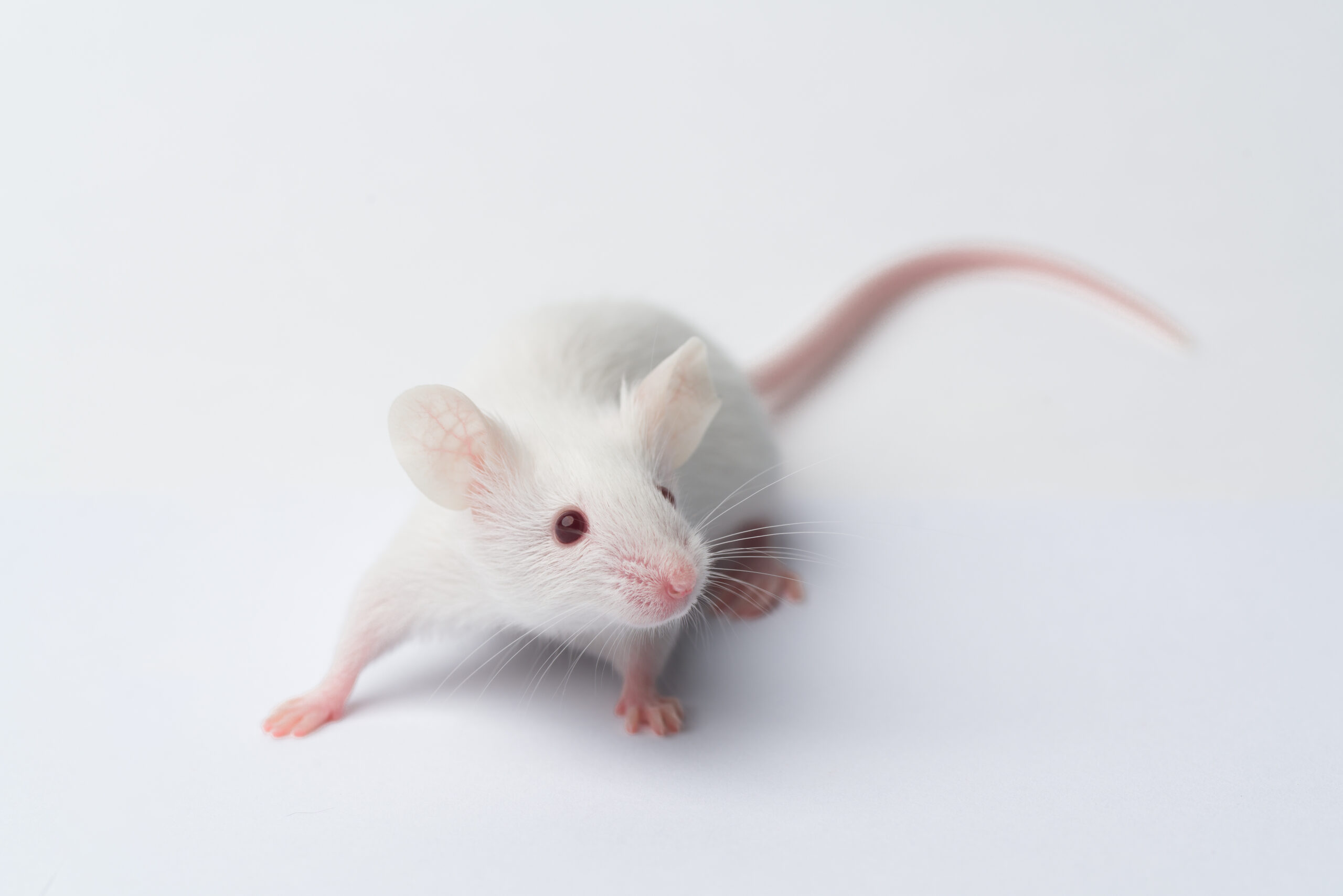
By the 18th–19th centuries, mouse models became central to scientific study. Clarence Cook Little (Jackson Laboratory) developed two key strains, C57BL/6 and BALB/c, standardised in the 20th century for laboratory use.
The history of mouse models traces back to domesticated selective breeding in the 1600s across Japan, China, Europe, and Egypt, primarily for unique coats and colours.
The Foundations of Animal Identification
- Early identification methods included pen markers, which faded quickly and were unreliable for research needs.
- Permanent methods emerged in the 1920s with ear notching; toe clipping followed, though ethical concerns prompted alternative approaches.
- Tags and tattooing evolved, leading to electronic identification with microchips and today’s nano RFID tags and innovative tattooing systems
Why reduced‑severity identification matters
In many in vivo research areas, including cancer, neurodegenerative diseases, antimicrobial resistance, gene therapy, and regenerative medicine, still rely on rodent models to study complex, whole‑organism interactions.
Historically, identification methods such as ear‑notching, toe‑clipping, or ear tags caused pain, distress, or raised ethical concerns. Adopting less invasive, more reliable methods significantly reduces animal stress and welfare risks while maintaining high standards of traceability and data integrity.
The Duty of Identification in Reducing Severity
Laboratory mice have been crucial for immunology, cancer research, gene function studies, antibiotics development, and more. Reducing severity is essential for welfare, handling, and reliable research outcomes.
Somark has refined identification methods that minimise stress, anxiety, and handling, benefiting both the animals and research quality. Over 3+ million mice have been identified with Somark products globally.
Somark Identification Solutions
Digitail – Advanced RFID Tagging
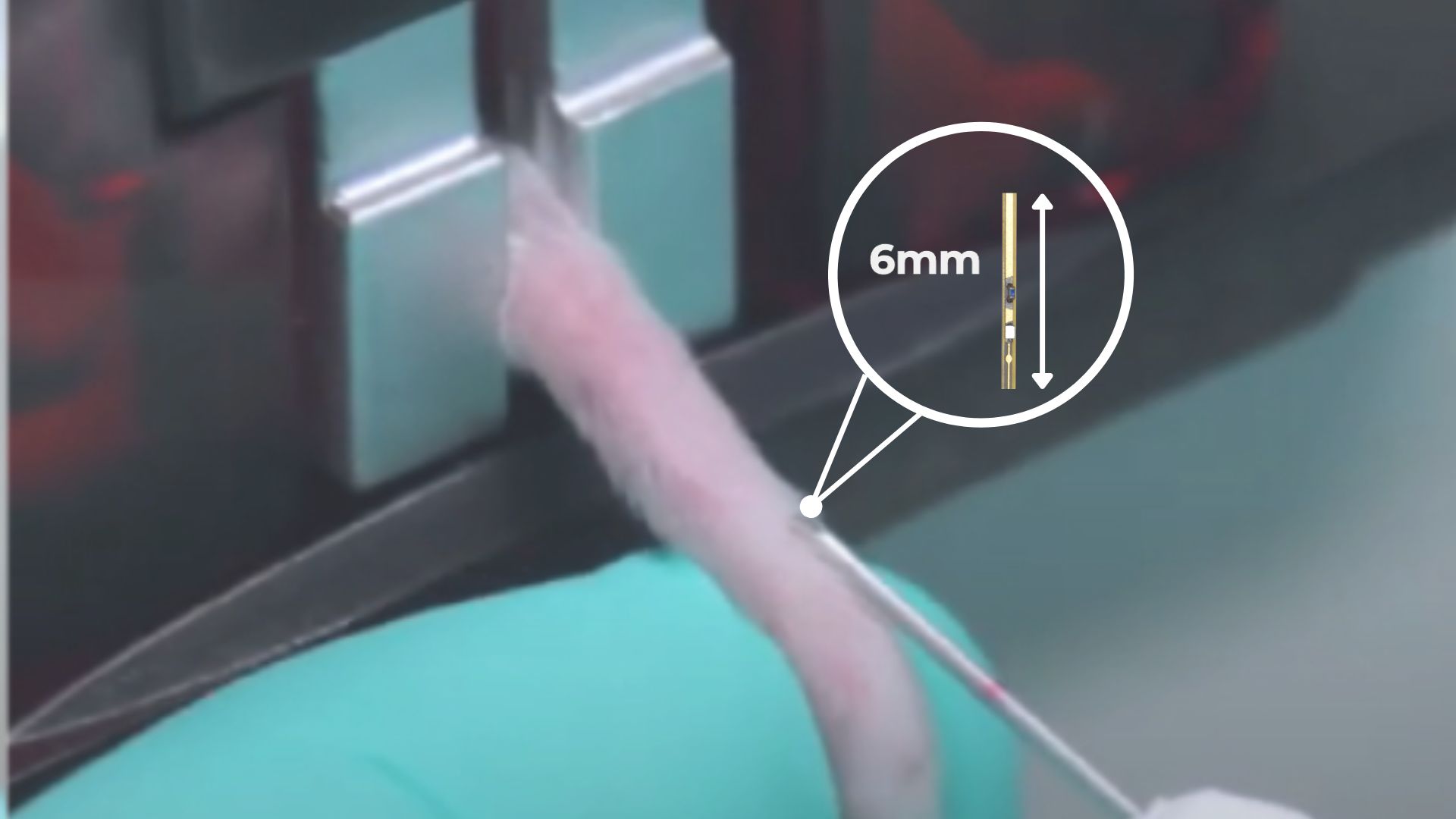
- Digitail is one of the world’s smallest RFID tags, offering extended read distances, easy application, permanence, and ISO 18000‑6c compliance.
- It provides a non‑toxic, minimally invasive alternative to older methods, reducing handling and disturbance, essential for welfare and accurate data collection.
Labstamp – Permanent Lab Tattoo Identification
- Tattooing lasts the lifetime of the animal, reducing the need for re-tagging or re‑identification and lowering stress and handling frequency.
- Labstamp offers permanent tattooing applied in approximately 30 seconds, avoiding tissue trauma or ear tag issues like dermatitis or auricular chondritis.
Aligning ID methods with the Three Rs and research integrity
Somark’s commitment to reduced severity supports the broader ethical framework guiding preclinical research: reducing animal suffering while ensuring scientific validity.
With reliable, welfare‑oriented ID methods, research organisations worldwide including recognised names from industry and academia, can conduct in vivo studies with improved welfare standards, more accurate colony management, and consistent long-term data integrity.
Leading the Change at Athens
Reducing severity is central to Somark’s ethos for almost a decade. Partnerships with top research institutes include Charles River Laboratories, Novartis, Sanofi, Minerva Imaging, uniQure, Bioemtech, St Jude, and Dana Farber.
Somark’s approach puts the research subject at the centre of identification, improving welfare and producing more reliable research outcomes.
See Somark at FELASA 2025
FELASA are at the forefront of encouraging animal welfare collaborations, bringing leaders from across the globe into one conference centre to communicate the ongoing importance of reducing severity in animal models.
Visit Somark at Booth B83 to experience demonstrations of Digitail and Labstamp. Learn how these innovations offer practical tools to reduce severity, improve animal welfare, and support reliable research data.
Can’t visit in person? Sign up for Somark’s mailing list to stay informed about new developments and validation projects.
Stay up to date with all of our events here.