

In the News
EU Animal Testing Roadmap: What Does It Mean for Chemical Safety Testing?
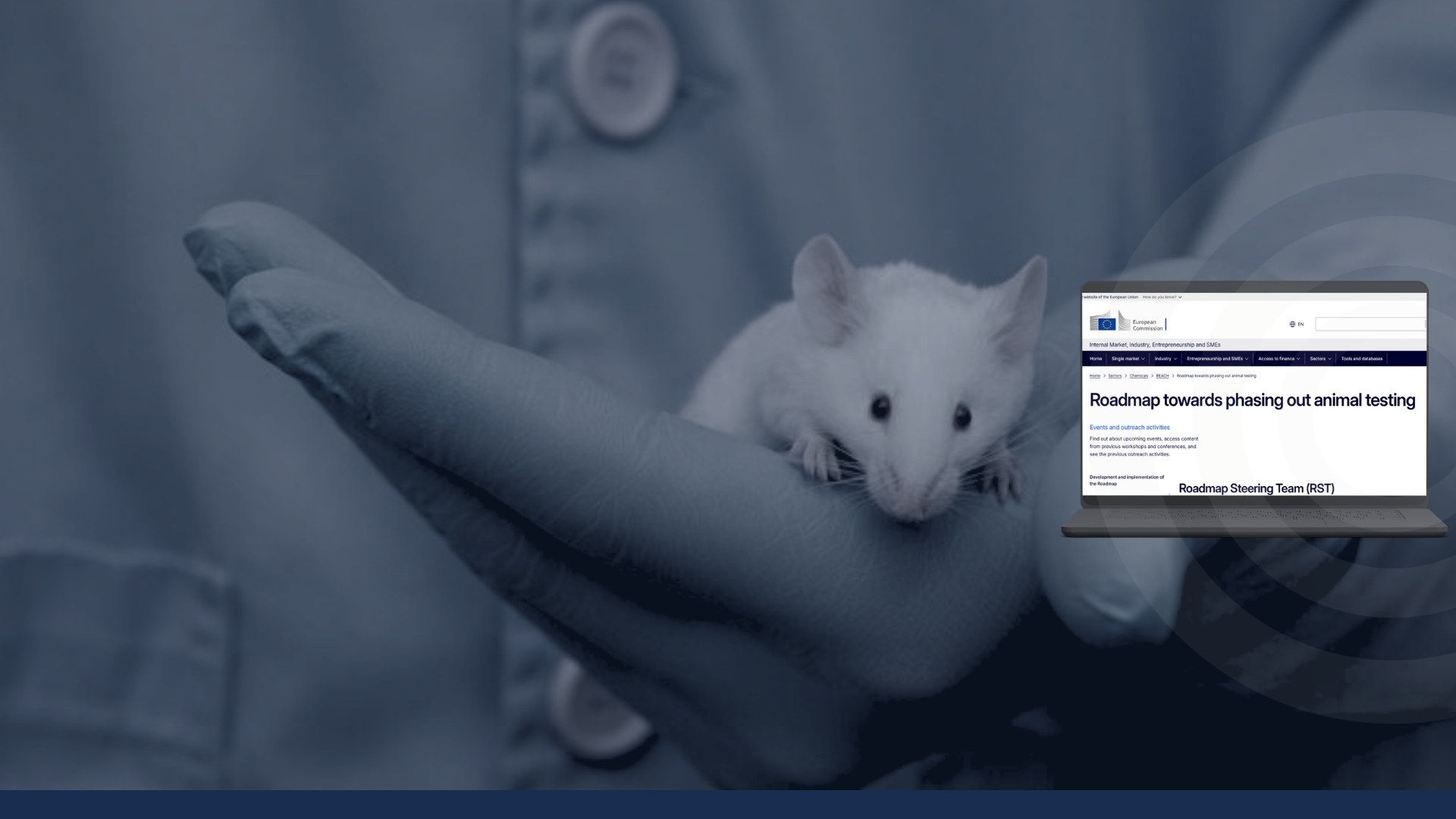
On 1 June 2026, the European Commission adopted its roadmap towards phasing out animal testing, establishing a long-term direction for reducing and ultimately replacing animal use in chemical safety assessment. The roadmap introduces 22 actions and more than 30 recommendations, covering areas including industrial and consumer chemicals, pesticides, biocides, pharmaceuticals and food and feed additives.
For industries that rely on chemical safety testing, the roadmap signals a wider shift towards reducing animal use and increasing the adoption of scientifically suitable non-animal approaches. Alternative methods are becoming increasingly important, but the transition is not as simple as replacing one test with another. New approaches need to provide the information required to make robust safety decisions, while protecting human health, animal health and the environment. The European Commission explicitly states that its roadmap is intended to preserve the integrity of safety evaluations as non-animal approaches are increasingly adopted.
What is driving the move away from animal use in chemical safety testing?
Reducing reliance on animal testing is not a new ambition. The EU has a long-standing policy centred around the principles of Replacement, Reduction and Refinement, commonly known as the 3Rs. In 2009, animals were formally recognised as sentient beings in EU primary law and Directive 2010/63/EU set the objective of phasing out animal use for research and regulatory purposes as soon as scientifically possible.
The latest roadmap aims to accelerate that process by supporting the development and uptake of non-animal approaches while maintaining effective chemical safety assessment.
What Could the EU Animal Testing Roadmap mean for chemical safety testing?
In some areas, the transition to alternative approaches is already well established. However, replacing animal testing becomes more challenging when researchers need to understand complex or longer-term biological effects.
The European Commission’s roadmap work has identified particular challenges around developing and validating non-animal methods for complex endpoints including endocrine disruption, carcinogenicity, reproductive toxicity, repeated-dose toxicity and developmental effects.
This means the transition is likely to happen progressively, with non-animal approaches increasingly adopted where they can provide suitable information, alongside continued development and validation of methods for more complex endpoints.
What does the EU Animal Testing Roadmap Propose?
The roadmap is intended to provide a structured transition towards reducing and ultimately phasing out animal testing within chemical safety assessments.
The European Commission has organised the roadmap around three pillars: accelerating the development and uptake of non-animal approaches; strengthening European research and innovation; and increasing collaboration within Europe and internationally. Importantly, the roadmap does not mean that animal testing has immediately stopped.
There are still areas where suitable non-animal replacements are not currently sufficient. The European Commission acknowledges that phasing out animal testing will require an implementation period as alternative approaches continue to be developed and validated.
This reinforces the principle that animal testing should be used only as a last resort where suitable alternatives are not available.
Where sufficient alternatives are available, the direction is towards their greater adoption. Where they are not, the focus remains on reducing and refining animal use while developing methods capable of replacing it.
As chemical safety testing continues to evolve, businesses will need to keep pace with the development and regulatory acceptance of new non-animal approaches.
How Is Chemical Safety Testing Evolving Beyond the EU?
The movement towards alternative testing methodologies isn’t limited to the EU, although regulatory requirements and the availability of accepted alternatives vary between jurisdictions.
In the UK, a similar principle applies under UK REACH. The Health and Safety Executive states that tests on vertebrates should be conducted only as a last resort and that the 3Rs of Replacement, Reduction and Refinement should be implemented. Existing information and approaches, including QSAR, grouping and read-across, in vitro methods and weight-of-evidence can be considered before new testing is undertaken. To read more on UK animal testing trends, see our recent blog.
Where no appropriate adaptation or non-animal alternative is available, however, vertebrate testing may still be required. In these circumstances, the Health and Safety Executive states that the test of least severity and using the fewest animals should be employed.
This is an important distinction. The move towards non-animal approaches is a long-term transition rather than an immediate end to the use of animals in chemical safety assessment. The European Commission itself acknowledges that phasing out animal testing will require substantial time, with further development and validation still required for a number of complex safety endpoints.
Internationally, the OECD Guidelines for the Testing of Chemicals provide accepted methods used to assess the potential effects of chemicals on human health and the environment.
The changing regulatory landscape therefore makes all three elements of the 3Rs important. While Replacement focuses on developing and adopting methods that avoid animal use, Reduction and Refinement remain relevant wherever animals continue to form a necessary part of research.
For laboratories conducting these studies during the transition, the question is not only how animal use can ultimately be reduced or replaced, but how the welfare of animals that continue to be used can be improved while maintaining the quality and integrity of the research.
How can Somark support animal welfare for chemical safety testing
For animals that continue to be used where suitable alternatives are not available, Refinement remains an important part of the 3Rs. This includes considering how the procedures and everyday practices surrounding research can be improved to minimise their impact on animal welfare.
Animal identification is one area where this principle can be applied.
Replacement focuses on using methods that avoid or replace animal use. Reduction aims to minimise the number of animals used. Refinement focuses on improving procedures and practices to minimise the impact on animals where their use remains necessary.
This is where animal identification can form part of the wider conversation around refinement and research quality.
Where animals continue to be necessary within research, accurate and reliable identification helps researchers maintain the link between individual animals and their study data. For research organisations, improving identification methods can therefore contribute to both animal welfare and study data integrity.
Somark’s laboratory animal identification technologies have been developed with these considerations in mind, providing researchers with alternatives to traditional identification techniques that support both animal welfare and study data integrity.
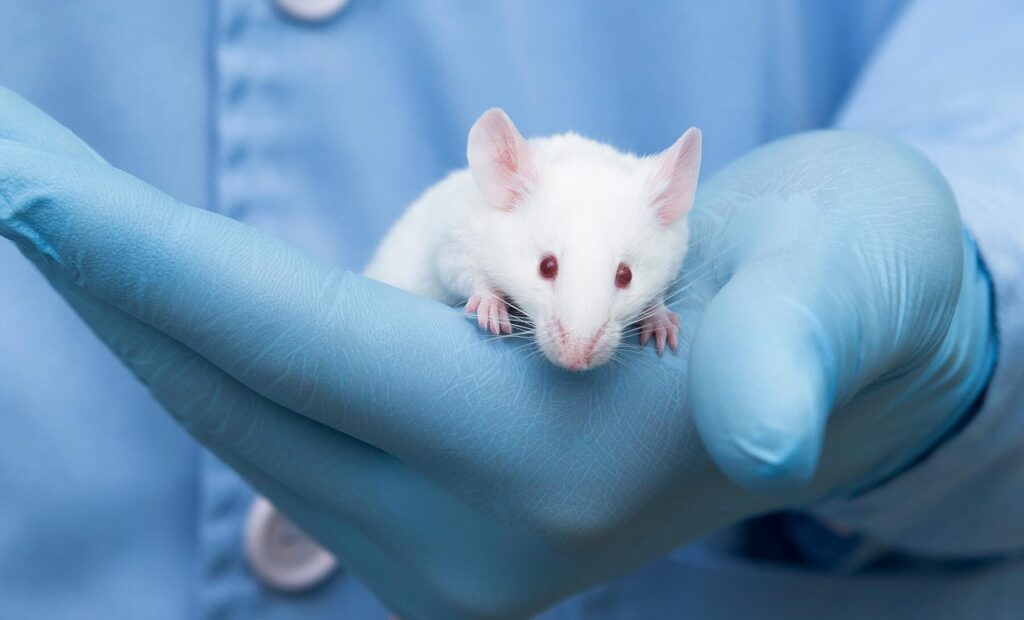
How does the identification work?
Labstamp automatically applies a permanent visual ID of up to three alphanumeric characters to a mouse’s tail. The system applies ink to the mid-dermal layer of the tail, creating a consistent ID designed to remain readable throughout the mouse’s lifetime.
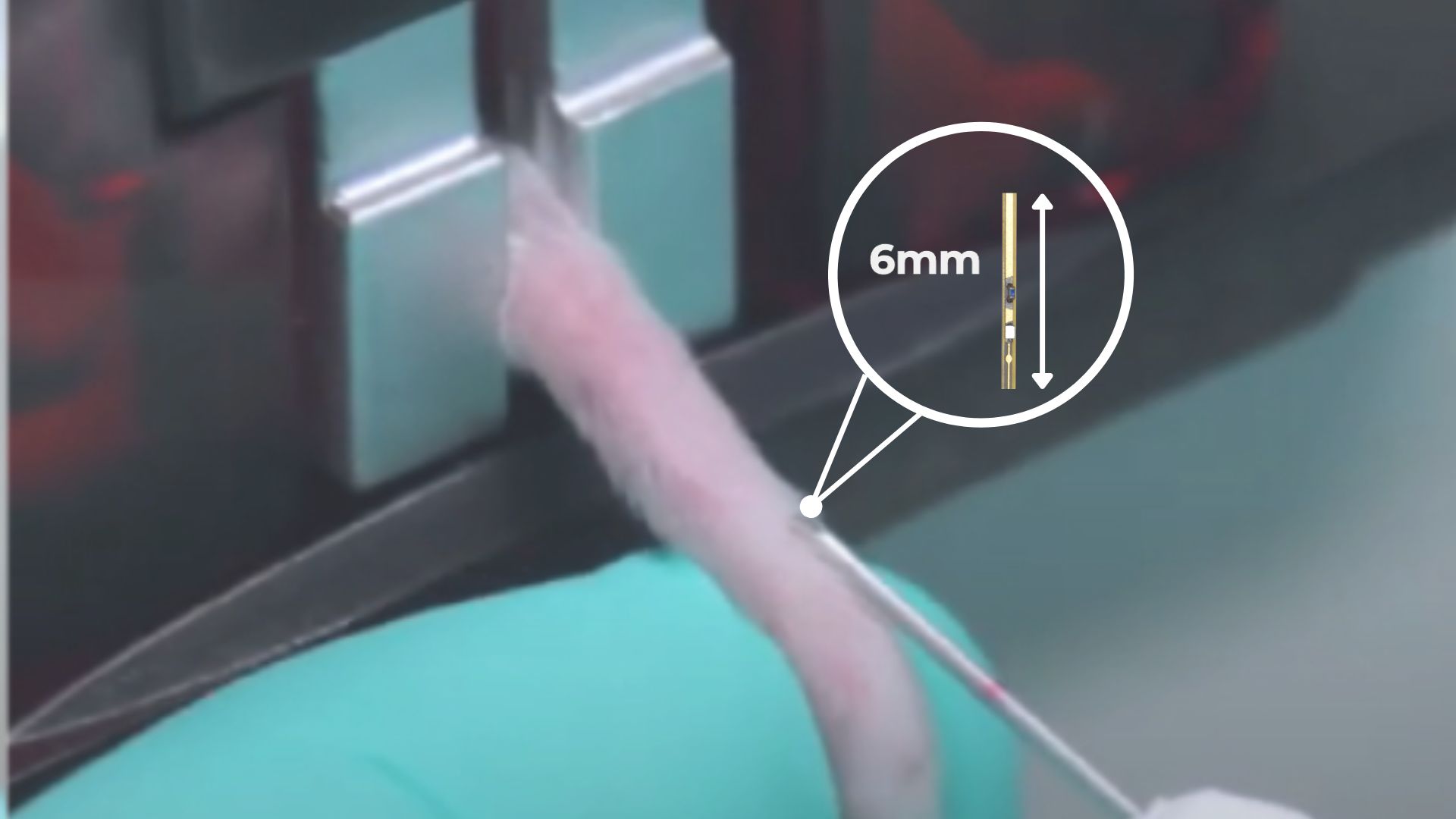
Digitail takes a digital approach. A small RFID tag containing a permanent, unique 24-character ID is implanted into the rodent’s tail using a 21-gauge needle. Once implanted, the tag can be read immediately using a compatible UHF reader.
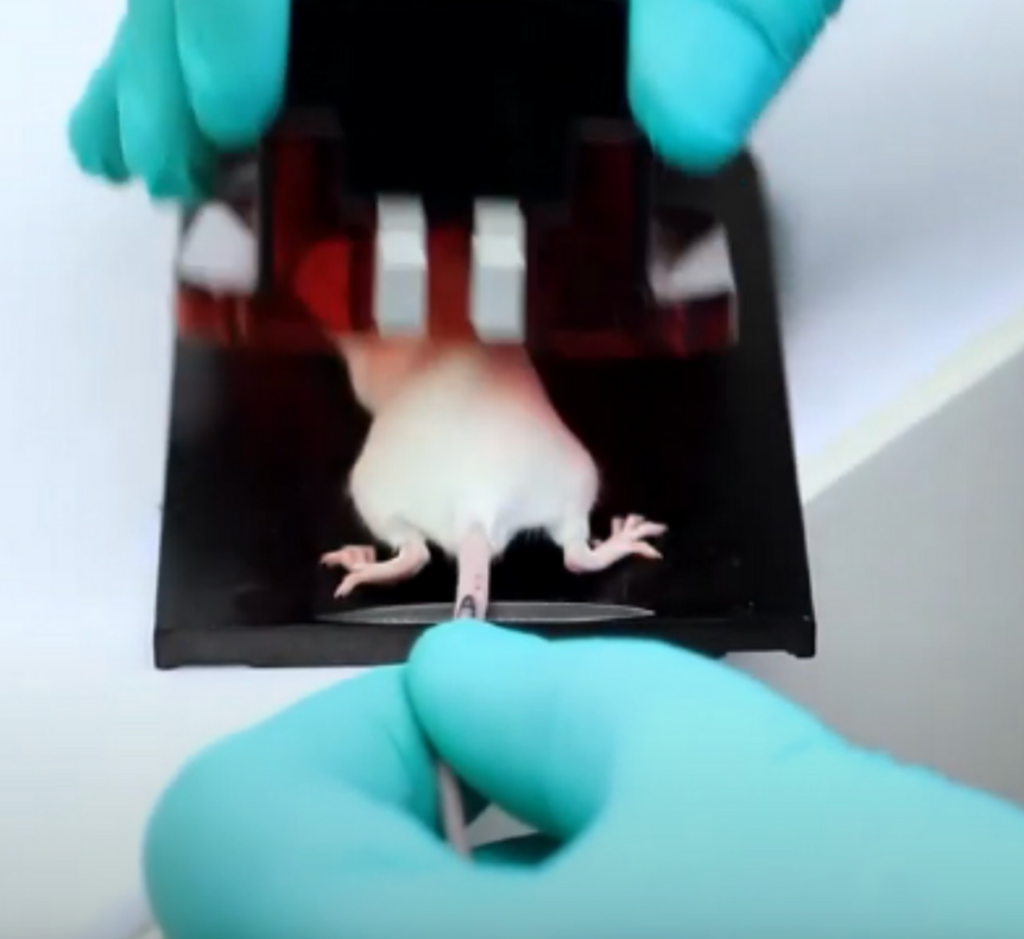
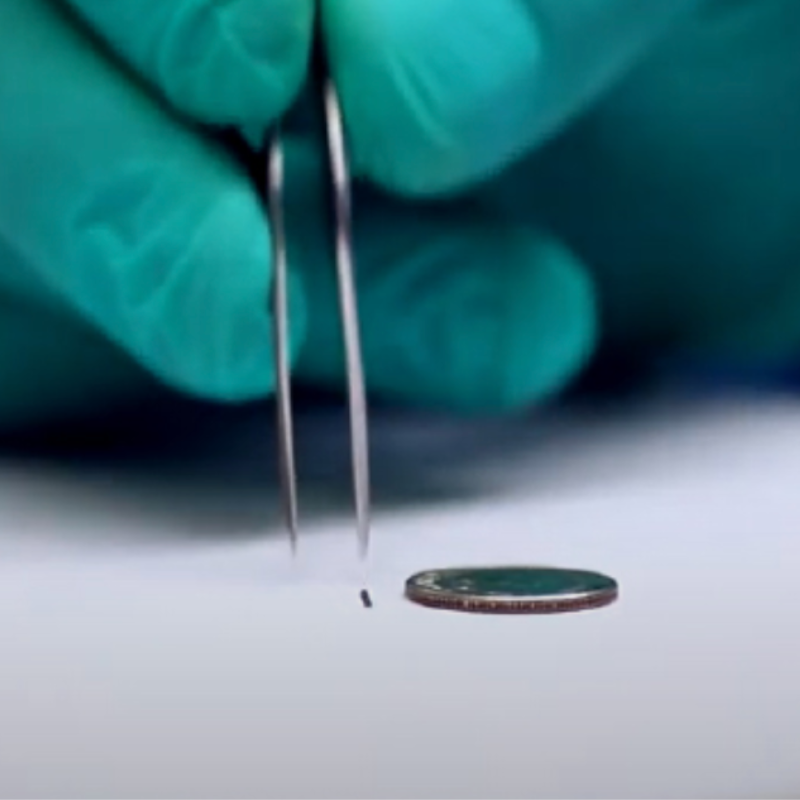
In comparison to traditional forms of identification like tags, ear notching, temporary pen markings and conventional glass transponders, these systems are designed to address common challenges including fading or lost identification, repeated handling, tag migration, identification errors and animal welfare concerns.
Together, these approaches demonstrate how refinement can extend beyond the study itself to the everyday processes surrounding laboratory animal management, helping organisations place animal welfare, reliable identification and study data integrity at the centre of their research practices.
As the scientific community progresses towards greater use of non-animal approaches, refinement remains important for the animals that continue to be used in necessary research.