

In the News
How Standardising Lab Animal Identification Can Improve Pre-Clinical Research Efficiency
The Challenges of Inconsistent Lab Animal Identification
Inconsistent lab animal identification across multi-site research organisations is a growing barrier to operational efficiency, traceability, and data integrity. As pharmaceutical and biotechnology companies expand globally, standardisation of lab animal identification has become essential for ensuring reliable research outcomes.
Differences in data structures, nomenclature, and system compatibility place a growing burden on animal handlers and researchers. This complexity is particularly problematic given that many of the most impactful discoveries originate from mouse models.
As R&D operations continue to globalise, the lack of standardisation in laboratory animal identification has become more than a facility-level inconvenience. In 2026, it is increasingly recognised as a risk to data integrity, traceability, regulatory confidence and cross-site collaboration, especially in discovery and preclinical development environments.
A Global Patchwork of Lab Animal Identification Methods
When mice are bred, purchased, or transferred between facilities in different regions of the world, they often arrive identified using different methods. Ear tags, ear notches, tail markings, RFID chips, and manual markings may all coexist within the same organisation. Diversity of methods typically reflects local legal practices, regional norms and facility-specific approaches rather than a coordinated strategy for identification.
When research goes global, handlers and researchers must be trained about new methods of identification, increasing cognitive load for staff, onboarding time and variability amongst animals.
The patchwork approach creates challenges such as:
- Difficulty aligning animal records across sites
- Increased risk of misidentification
- Manual data reconciliation
- Re-identification of animals upon transfer
- Increased animal handling and stress
Regulatory and Welfare Drivers for Standardised Lab Animal Identification
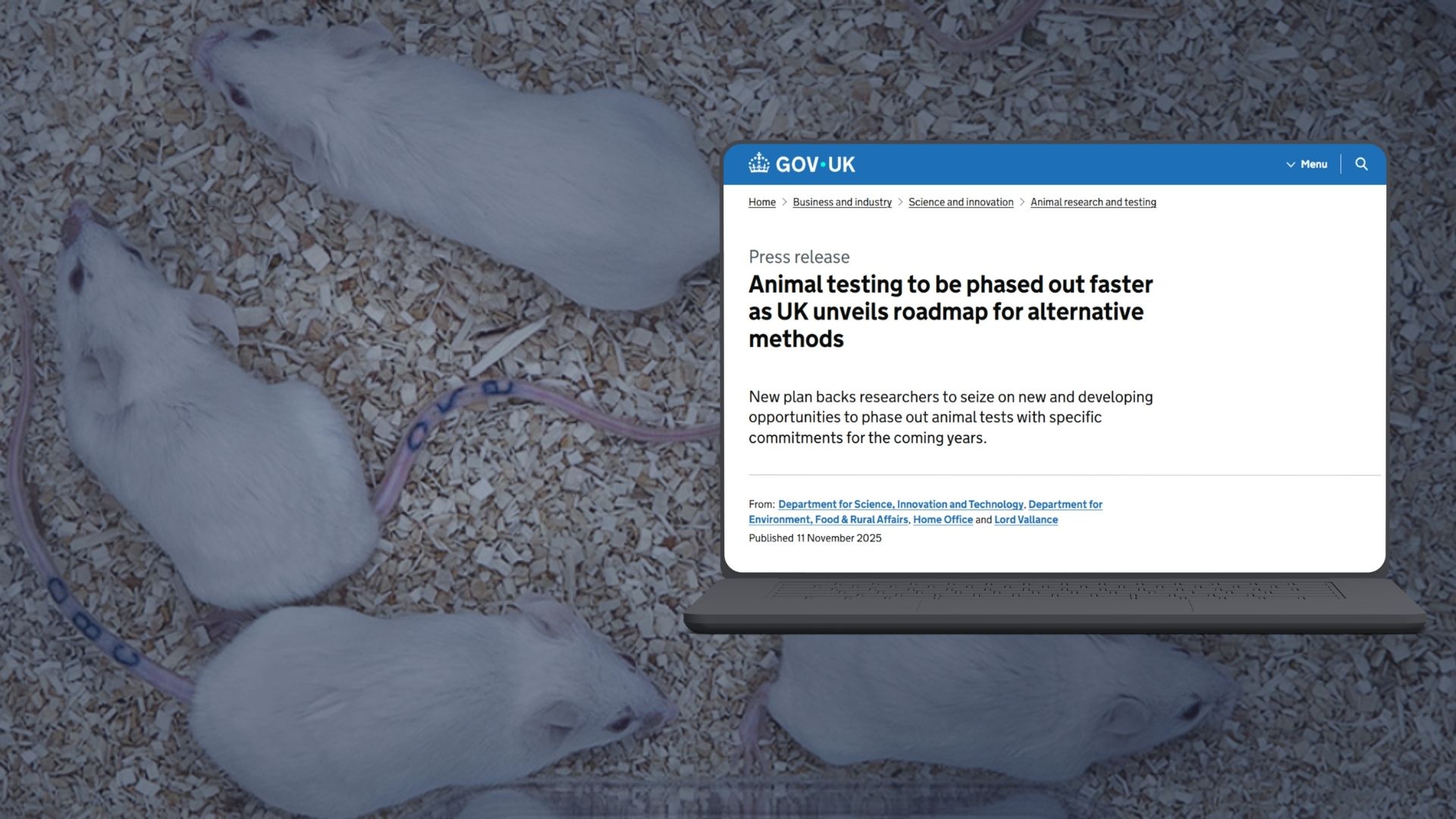
While there is no single law that outlines how animals should be identified in research, compliance with recognised welfare principles promotes higher welfare standards and international accreditation for research.
Presenting poor welfare conditions for animals used in research can threaten research progression. Equally, presenting poor or inconsistent identification of animals, particularly in large, multi-site research organisations, can delay or jeopardise research programmes, funding decisions, and external collaborations.
How Standardising Lab Animal Identification Improves Efficiency and Traceability
Standardising lab animal identification methods across sites introduces significant operational benefits for researchers, handlers, and lab managers.
Implementing traceable lab animal identification across multi-site organisations enables:
- Improved data integrity
- Enhanced traceability across sites
- Greater scalability for growing research programmes
- Stronger compliance with regulatory and welfare standards
- Seamless integration with laboratory systems
All while reducing:
- Training burden
- Cost over time
- Animal Handling
- Complexity
Somark are Enabling the Standardisation of Lab Animal Identification for Multi-Site Research Organisations
As science continuously evolves, identification methods should too. Despite widespread advances in digital laboratory infrastructure, many research facilities still rely on outdated identification practices such as ear notching, toe clipping, Sharpie tail marking, and manual cage-based records. This combination of methods introduces complexity when traceability and scalability are required. Somark’s digitalised animal identification methods are designed to support the standardisation of lab animal identification for multi-site research organisations by providing a simple, globally transferable approach to traceable lab animal identification.
Somark’s Lab Animal Identification Solutions For Pre-Clinical Research Efficiency
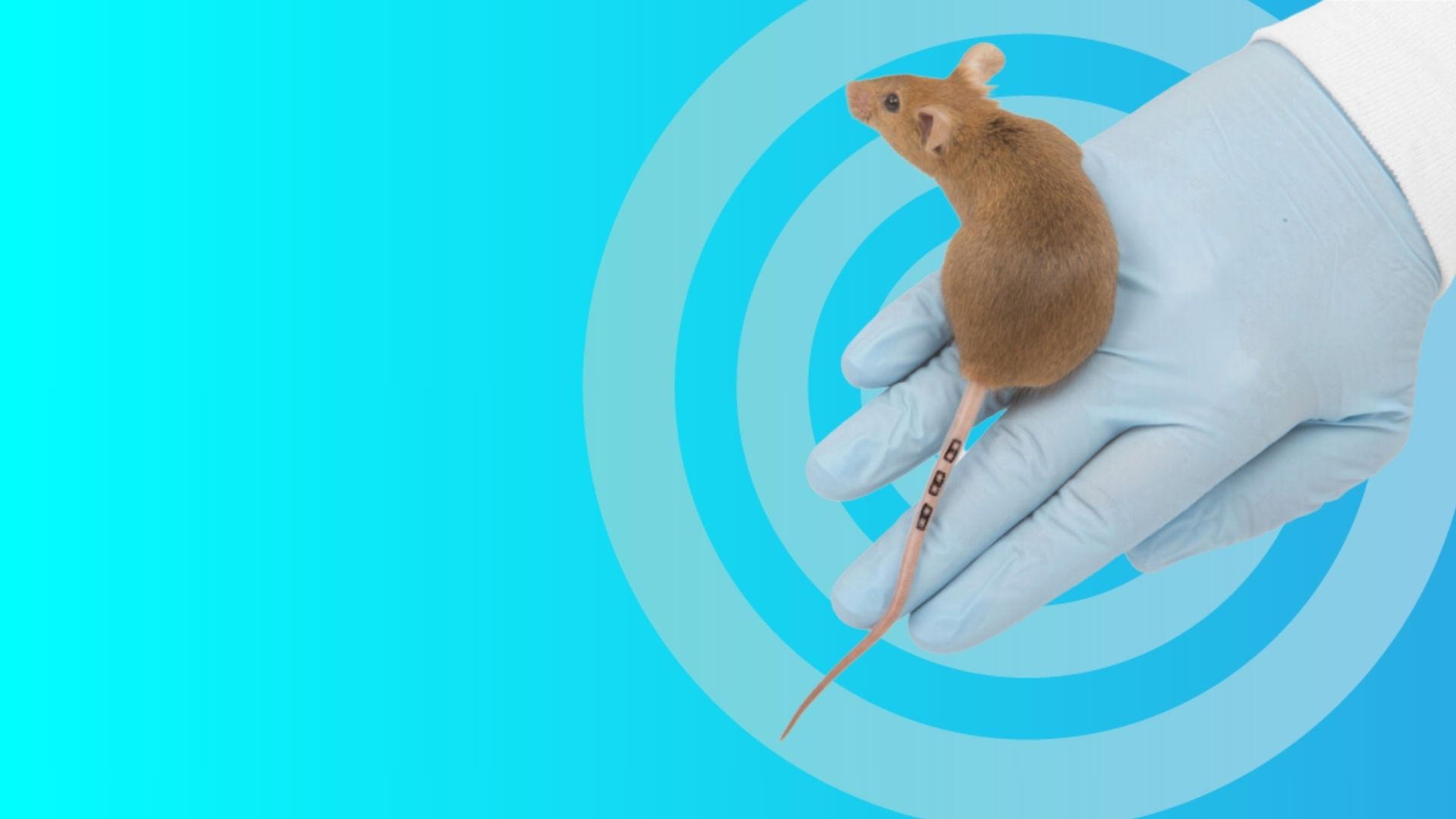
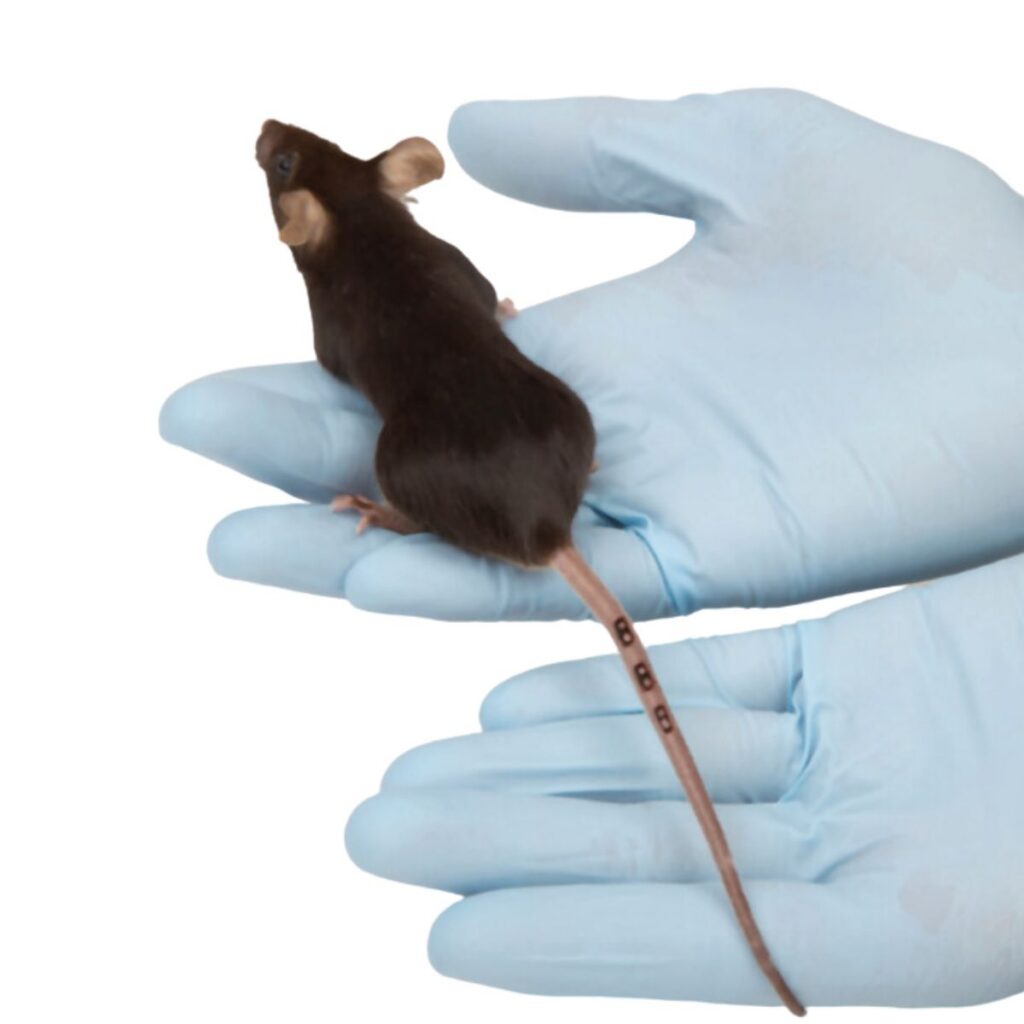
The automated Labstamp takes just 24 seconds to make three distinctive alphanumeric marks on the mouse tail. The process requires very little training for users as it is simple to understand and universally readable.
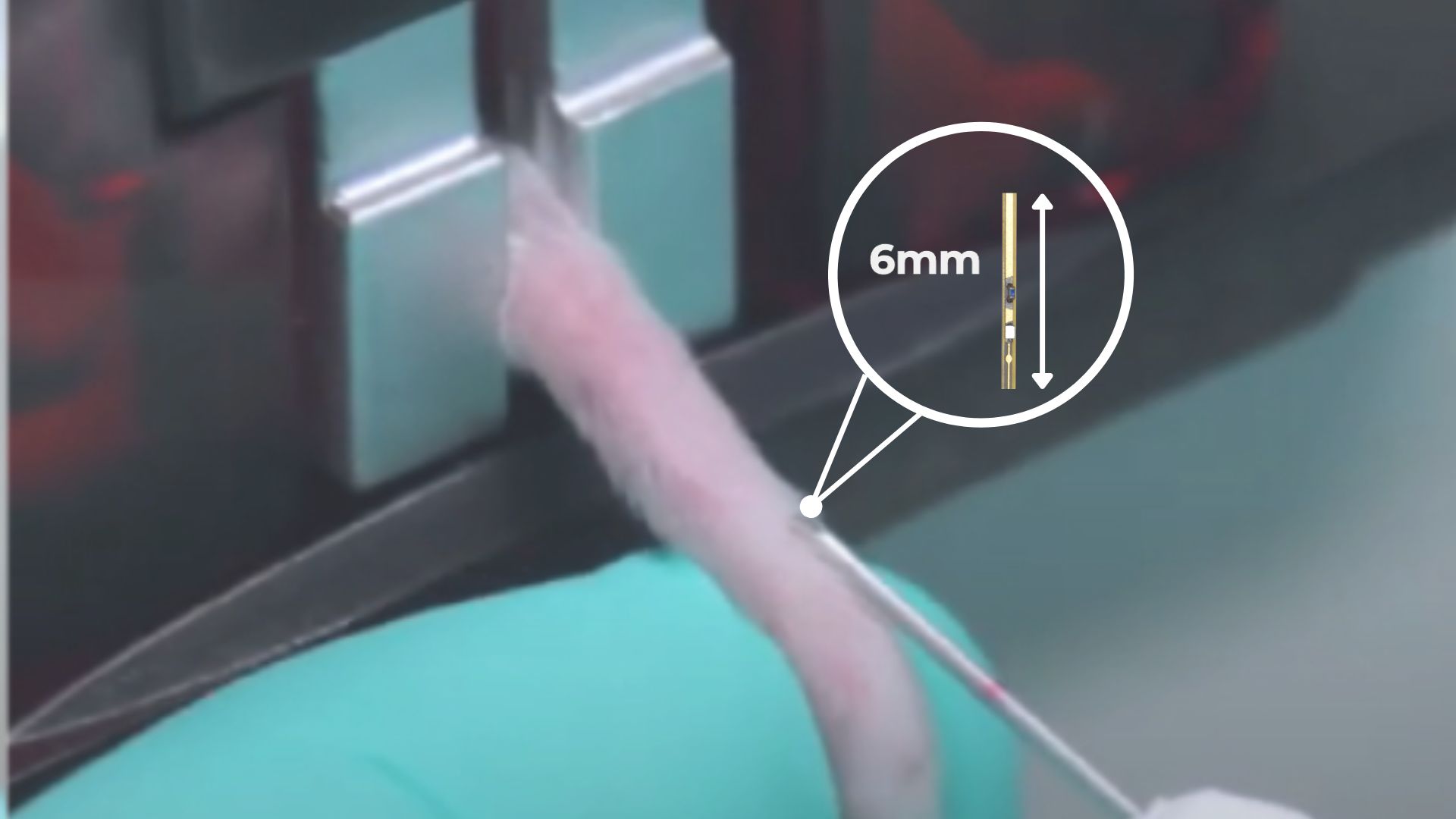
For organisations that seek non-visual digital identification, the Digitail provides an implantable RFID solution engineered specifically for laboratory rodents. This year, Digitail version 3 has been introduced to the market, which demonstrates Somark’s commitment to consistent development. The RFID tags are designed to be long-lasting and reliable to overcome common causes of ID loss from animals. The tag is inserted into the tail, which is a much more reliable location for preventing the tag from falling out or being ripped out.
The flexibility of both solutions makes Somark particularly well-suited for animals that are transferred between multiple sites, where continuity of identity and data is critical.
For global research organisations, standardising animal identification is increasingly viewed not as a technical choice, but as a prerequisite for demonstrating consistent welfare governance and programme control.
Ready to standardise lab animal identification across your organisation?