

In the News
Is Your Lab Ready for Digitail V3? The Future of RFID Lab Animal Colony Management
In 2026, Somark introduced version 3 of the RFID lab animal colony management system, Digitail. As research environments continue to grow in scale and complexity, laboratories require faster, more reliable and more precise identification systems. Somark recognises the need to consistently refine technology to meet high standards and support growing animal colonies.
Digitail V3 has been developed to meet these increasing demands. Built around cutting-edge digital RFID technology, the new system delivers significantly improved read speed and read range, enabling researchers to capture data more efficiently with minimal disruption to workflows.
Despite these advancements, Digitail Version 3 has been designed with full backward compatibility in mind. This means it integrates seamlessly with all existing Somark readers, allowing labs to upgrade without overhauling their infrastructure. The result is a smarter, smoother transition to next-generation identification without downtime or retraining challenges.
Digitail: The Smallest RFID Tags for Lab Animal Identification. How Does It Work?
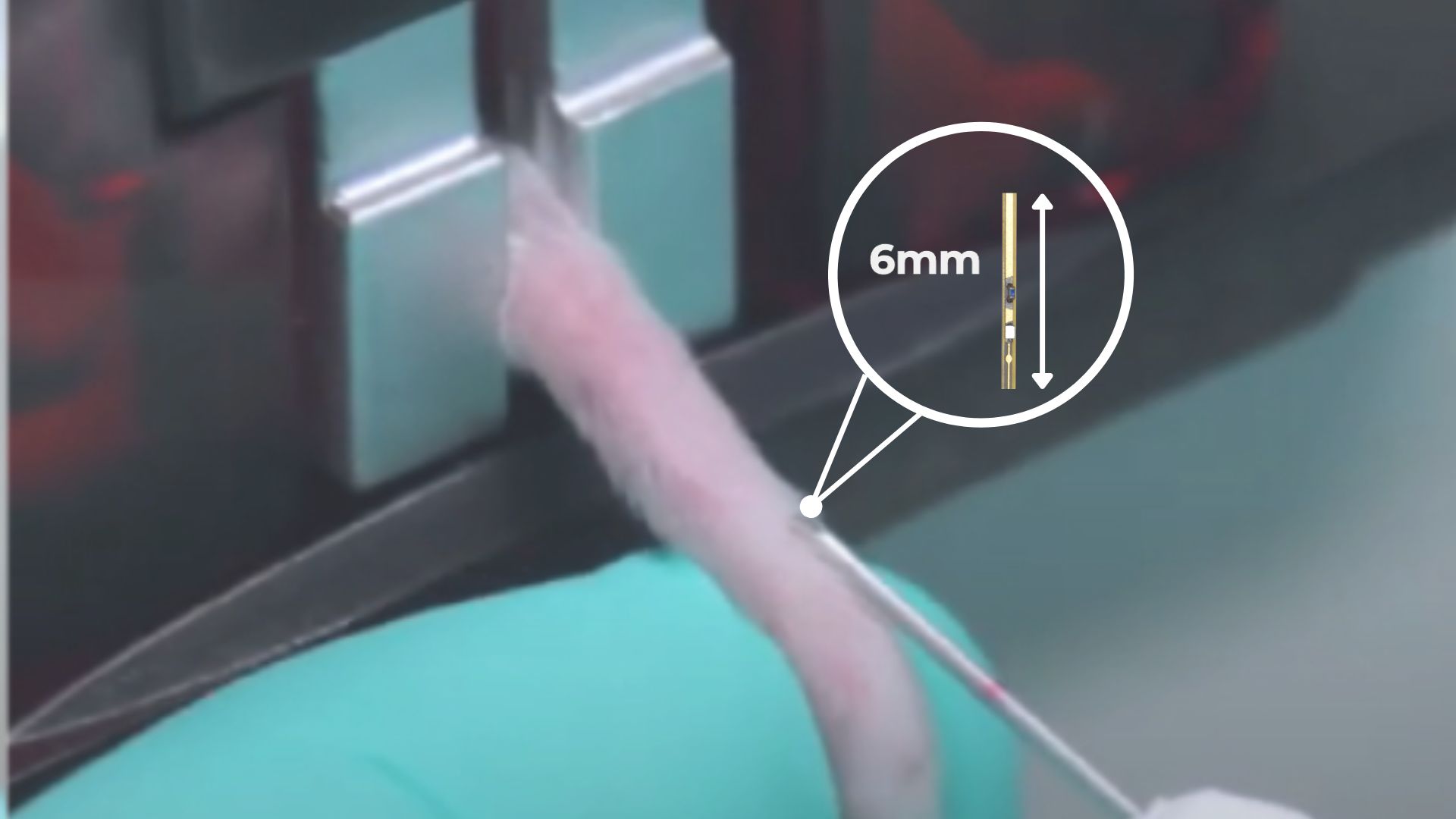
Somark’s Digitail is an advanced RFID-based identification system designed specifically for laboratory rodents. Somark have developed the smallest RFID tags for lab animal identification. Combining this technology with a high-quality 21-gauge injector, as well as both wearable and handheld readers, Digitail delivers fast, accurate, and reliable identification.
Unlike traditional RFID tagging methods, Digitail has been engineered to address common challenges associated with other implant locations. The tags are precisely injected into the tail of the rodent, a placement that helps minimise complications often seen elsewhere in the body.
In many conventional systems, tags can be chewed out by animals, migrate under the skin, or even impact animal mobility due to their size or positioning. Digitail was specifically developed to overcome these issues, providing a secure, stable, and minimally invasive solution that improves both data reliability and animal welfare.
By combining innovative RFID technology with thoughtful design, Digitail offers labs a more dependable and efficient approach RFID lab animal colony management.
How Digitail Brings RFID Lab Animal Colony Management into Your Lab
Digitail V3 has been engineered to fit effortlessly into modern laboratory environments. Whether your facility manages a small colony or a large-scale research operation, the system supports a wide range of workflows.
Key integration benefits:
- Seamless adoption: Compatible with existing Somark hardware, eliminating the need for major system changes.
- Non-invasive identification: Designed specifically for rodents, reducing handling stress and supporting animal welfare protocols.
- Flexible scalability: Suitable for both small research groups and expansive, multi-site facilities. Extensive training is not required.
- Digital data capture: Automatically integrates with colony management software for real-time tracking and record-keeping
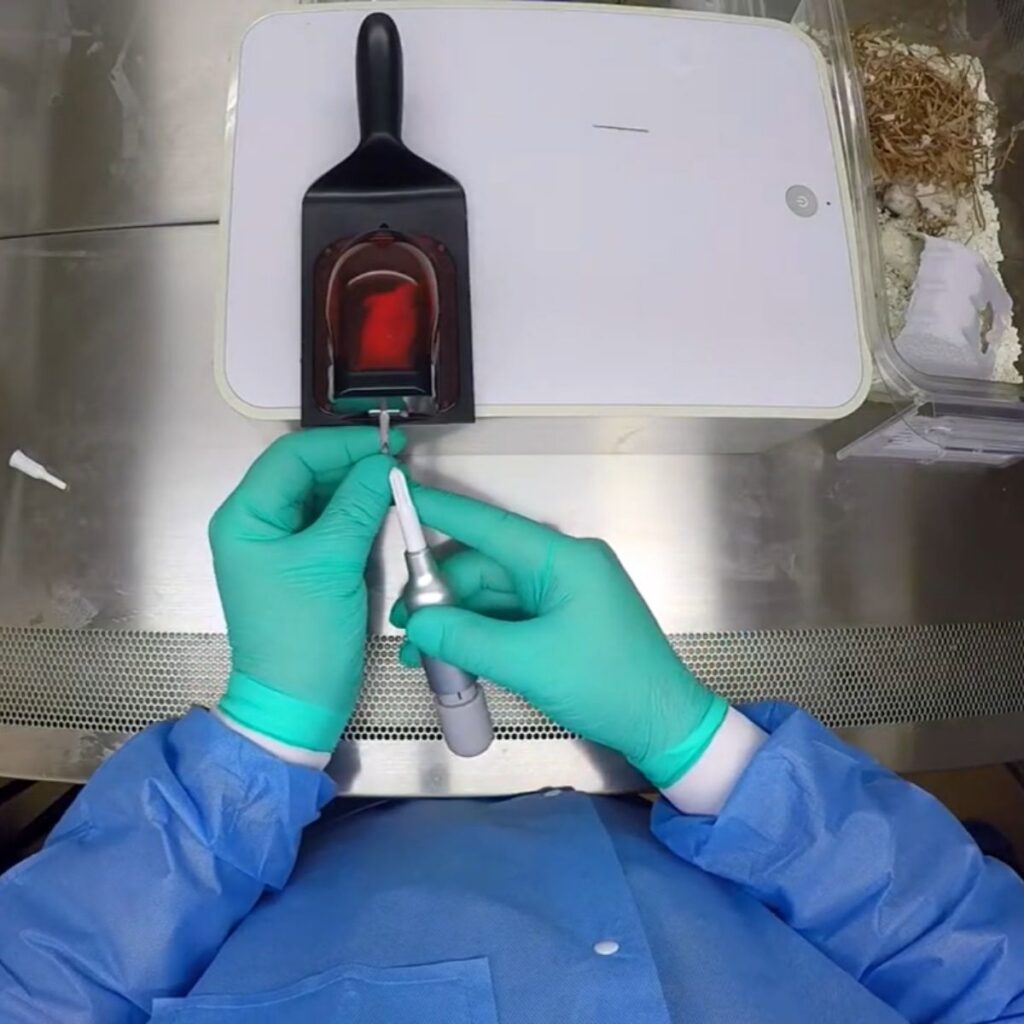
Digitail’s compact design ensures minimal impact on the animal while maximising data accuracy. This makes it ideal for labs focused on both scientific rigour and ethical research practices.
How Much Time Can Digitail Save Your Labs?
Time efficiency is one of the most compelling reasons to upgrade to Digitail V3.
One of the key differences between previous versions and Digitail V3 is its faster read speed. Improving workflow efficiency can save hours and days overall.
Traditional identification methods, such as ear tagging or manual record logging, can be slow, error-prone, and labour-intensive. Digitail replaces these processes with rapid, contactless digital RFID scanning, dramatically reducing the time required for routine tasks.
Is Your Lab Ready To Upgrade Your RFID Lab Animal Colony Management with Digitail V3
Digitail Version 3 is more than an upgrade; it’s a step forward in how laboratories manage identification, data, and workflow efficiency. Integrating Somark’s RFID tags into your lab animal management processes streamlines workflows and delivers measurable time savings, empowering more efficient, modern research.
If your lab is looking to improve operational efficiency, enhance data accuracy, and support scalable growth, now is the time to consider making the transition to the smallest RFID tags for lab animal identification, Digitail V3.