


In the News
Somark Innovations at GV-SOLAS 2026
GV-SOLAS 2026 brought together researchers, animal care professionals, veterinarians and technology providers in Bonn, Germany, for three days of discussion around the future of laboratory animal science. The event provided an opportunity to explore some of the key challenges facing research organisations today, from animal welfare and refinement strategies to data quality, traceability and the adoption of new technologies.
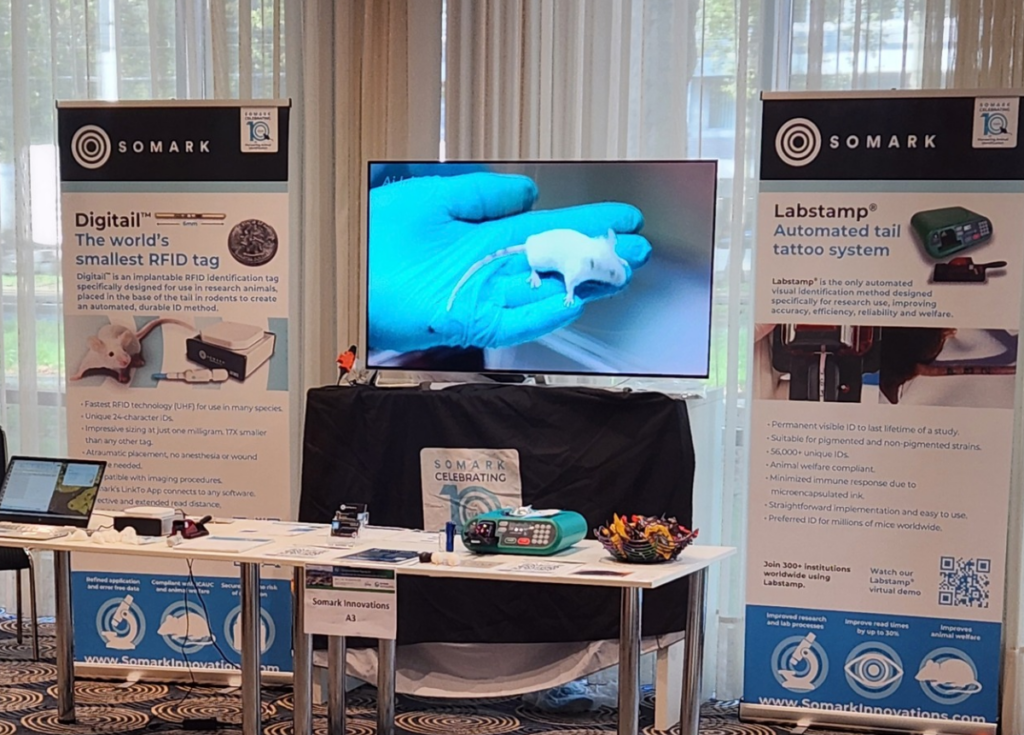
Key conversations at GV-SOLAS 2026
Ahead of the event, the organisers outlined the scientific focus of the conference, highlighting a number of key topics shaping discussions around lab animal science in 2026.
Culture of Care, 3Rs and Ethics
Animal welfare and refinement remained central topics of discussion at GV-SOLAS 2026, as in previous years. Research organisations continue to explore practical ways to minimise stress during routine procedures while maintaining the high standards required for scientific research.
Somark contributed to these discussions by highlighting how animal identification methods can form an important part of the welfare conversation, particularly in studies where animals are handled repeatedly throughout the research process. The choice of identification method can influence the frequency and nature of handling, making it a relevant consideration when facilities are looking to support welfare and refinement objectives.
These conversations closely reflected the work Somark does with its Labstamp, Digitail and Digifish systems. As organisations continue to evaluate opportunities for refinement, there is growing interest in approaches that support reliable animal identification while helping to reduce unnecessary intervention wherever possible.
Transparency in Animal Research
Transparency in animal research remained an important topic throughout GV-SOLAS 2026. As public interest in animal research continues to grow, organisations are increasingly expected to demonstrate not only the scientific value of their work, but also the processes and standards that underpin it. This includes providing clear evidence that studies are designed responsibly, animals are cared for appropriately and welfare considerations are incorporated throughout the research lifecycle.
Discussions at the event highlighted the importance of robust documentation, accountability and adherence to the principles of the 3Rs. Transparency is not simply about reporting outcomes; it is about providing confidence that research has been conducted to recognised ethical and scientific standards. Many attendees spoke about the need for systems and processes that support consistency, oversight and confidence in study conduct.
Against this backdrop, Somark highlighted how reliable animal identification can support transparency throughout the research process. When welfare observations, procedures and study records can be accurately associated with individual animals, facilities are better positioned to demonstrate the care animals have received and provide a clear record of how studies have been conducted.
Digitalisation
Another topic that generated significant interest was digitalisation within laboratory animal facilities. From electronic record management to integrated data systems, organisations are increasingly looking for technologies that can improve traceability and reduce the risk of manual errors. Reliable animal identification forms an important foundation for many of these initiatives, helping ensure that data remains linked to the correct animal throughout the research process.
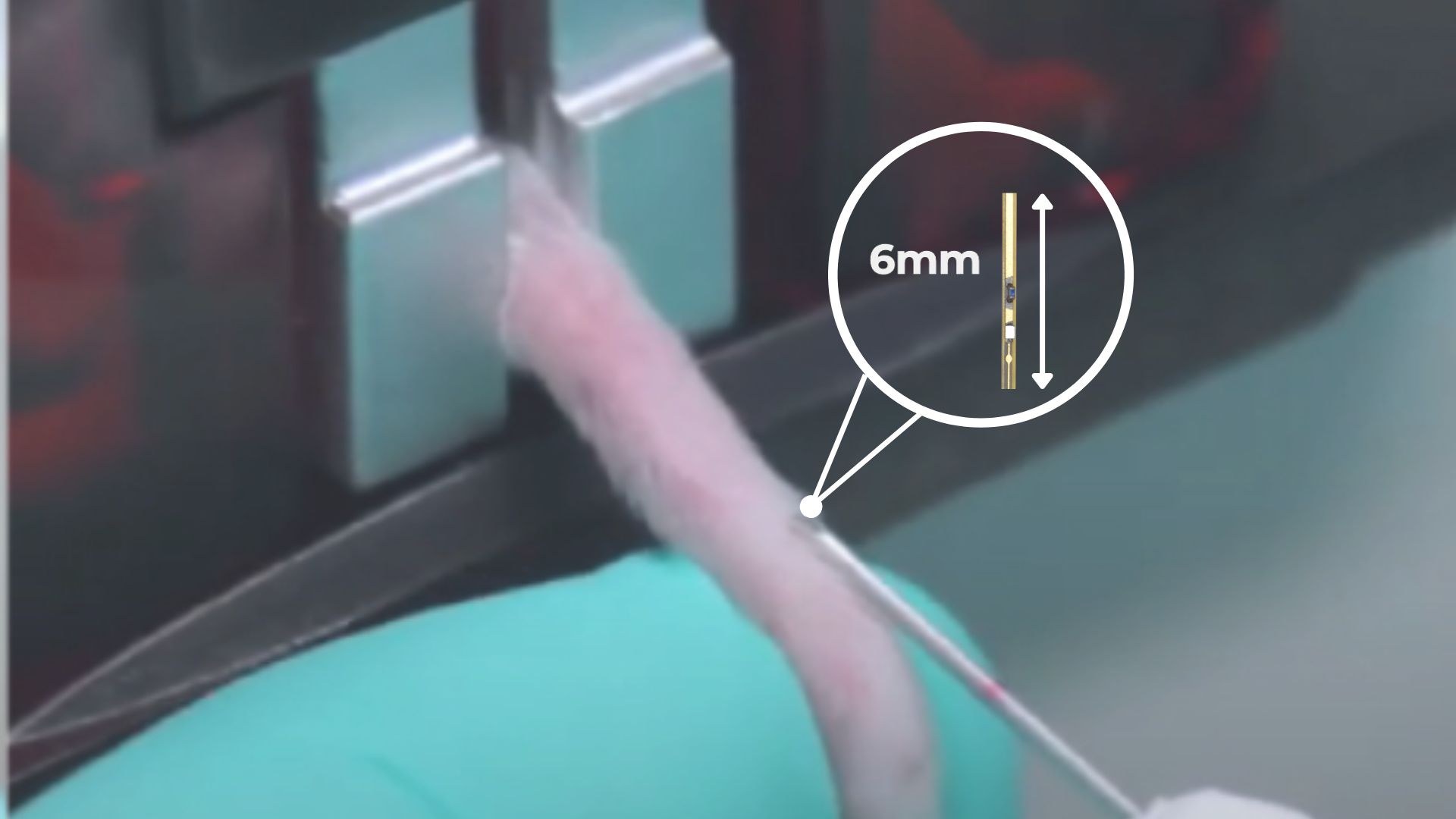
This is an area where technologies such as Somark’s Digitail RFID identification system can support wider digitalisation initiatives. By providing a simple method of electronically identifying individual animals, systems such as Digitail can help integrate animal identification with modern data management and record-keeping practices, reducing reliance on manual processes and supporting more connected research environments.
Looking ahead after GV-SOLAS 2026
Events such as GV-SOLAS 2026 provide a valuable forum for sharing experiences and discussing how technologies are being applied across different research environments. Rather than focusing solely on new products, many conversations centred on broader industry challenges and how laboratories can continue improving both scientific outcomes and animal welfare standards.
For Somark, the event offered an opportunity to engage directly with researchers and facility teams, gain insight into current priorities across the sector, and contribute to discussions around animal identification, traceability and welfare-focused technology. As laboratory animal science continues to evolve, these conversations remain essential in helping organisations identify practical solutions to everyday operational challenges.
If you didn’t get the chance to speak with us, or you’d like to take a closer look at any of the technology demonstrated at the event, get in touch with the Somark team.